
Tooth Number Chart Printable
Tooth Number Chart Printable - Teeth are used for catching and masticating food, for. We’ll also go over some common conditions that can affect your teeth, and we’ll list common symptoms to watch for. Adult humans have 32 permanent teeth in their mouths, and. A tooth is any of the hard, resistant structures occurring on the jaws and in or around the mouth and pharynx areas of vertebrates. There are four types of permanent teeth in humans: The anatomical structure of each tooth is remarkably complex, with multiple layers working. The first set, deciduous teeth, also. The four main dental tissues of a tooth are enamel, dentin, cementum and pulp. Teeth are made of multiple tissues of varying density and hardness. Humans, like most other mammals, are diphyodont, meaning that they develop two sets of teeth. This article covers the anatomy of the tooth, including structure, parts, types, functions, and clinical aspects. Humans, like most other mammals, are diphyodont, meaning that they develop two sets of teeth. The pulp of the tooth is a vascular region of soft connective tissues in the middle of the tooth. Learn more about this topic at kenhub! Incisors, canines, premolars,. The four main dental tissues of a tooth are enamel, dentin, cementum and pulp. Your incisors are the most visible teeth in your mouth. Each type of tooth has a specific function, including biting, chewing, and grinding food. Adult humans have 32 permanent teeth in their mouths, and. Premolars are absent in children. Your incisors are the most visible teeth in your mouth. Teeth are used for catching and masticating food, for. This article covers the anatomy of the tooth, including structure, parts, types, functions, and clinical aspects. We’ll go over the anatomy of a tooth and the function of each part. Teeth are made up of different layers — enamel, dentin, pulp,. Learn more about this topic at kenhub! Your incisors are the most visible teeth in your mouth. The pulp of the tooth is a vascular region of soft connective tissues in the middle of the tooth. Teeth are made of multiple tissues of varying density and hardness. The pulp, dentin, and enamel. The pulp, dentin, and enamel. Teeth are made up of different layers — enamel, dentin, pulp, and cementum. Your incisors are the most visible teeth in your mouth. Most people have four incisors on the upper jaw and four on. Teeth are made of multiple tissues of varying density and hardness. Humans, like most other mammals, are diphyodont, meaning that they develop two sets of teeth. Learn more about this topic at kenhub! Premolars are absent in children. Teeth are made up of different layers — enamel, dentin, pulp, and cementum. Your incisors are the most visible teeth in your mouth. Incisors, canines, premolars, and molars; Humans, like most other mammals, are diphyodont, meaning that they develop two sets of teeth. Adult humans have 32 permanent teeth in their mouths, and. This article covers the anatomy of the tooth, including structure, parts, types, functions, and clinical aspects. Teeth are used for catching and masticating food, for. We’ll also go over some common conditions that can affect your teeth, and we’ll list common symptoms to watch for. Premolars are absent in children. The pulp of the tooth is a vascular region of soft connective tissues in the middle of the tooth. Adult humans have 32 permanent teeth in their mouths, and. Humans, like most other mammals, are. The pulp, dentin, and enamel. The pulp of the tooth is a vascular region of soft connective tissues in the middle of the tooth. Teeth are used for catching and masticating food, for. Each tooth is an organ consisting of three layers: Teeth are made of multiple tissues of varying density and hardness. Each type of tooth has a specific function, including biting, chewing, and grinding food. Incisors, canines, premolars, and molars; The pulp, dentin, and enamel. The four main dental tissues of a tooth are enamel, dentin, cementum and pulp. Now that we’ve covered tooth types and development, let’s dive deeper into tooth anatomy. There are four types of teeth in adult humans. This article covers the anatomy of the tooth, including structure, parts, types, functions, and clinical aspects. Teeth are used for catching and masticating food, for. Teeth are made up of different layers — enamel, dentin, pulp, and cementum. Most people have four incisors on the upper jaw and four on. Now that we’ve covered tooth types and development, let’s dive deeper into tooth anatomy. The pulp of the tooth is a vascular region of soft connective tissues in the middle of the tooth. Your incisors are the most visible teeth in your mouth. Teeth are made of multiple tissues of varying density and hardness. Adult humans have 32 permanent teeth. Now that we’ve covered tooth types and development, let’s dive deeper into tooth anatomy. The pulp of the tooth is a vascular region of soft connective tissues in the middle of the tooth. Teeth are made up of different layers — enamel, dentin, pulp, and cementum. A tooth is any of the hard, resistant structures occurring on the jaws and. Incisors, canines, premolars, and molars; Learn more about this topic at kenhub! There are four types of permanent teeth in humans: We’ll go over the anatomy of a tooth and the function of each part. Now that we’ve covered tooth types and development, let’s dive deeper into tooth anatomy. The anatomical structure of each tooth is remarkably complex, with multiple layers working. The pulp of the tooth is a vascular region of soft connective tissues in the middle of the tooth. Each tooth is an organ consisting of three layers: We’ll also go over some common conditions that can affect your teeth, and we’ll list common symptoms to watch. Your incisors are the most visible teeth in your mouth. A tooth is any of the hard, resistant structures occurring on the jaws and in or around the mouth and pharynx areas of vertebrates. The pulp of the tooth is a vascular region of soft connective tissues in the middle of the tooth. This article covers the anatomy of the. There are four types of permanent teeth in humans: The pulp of the tooth is a vascular region of soft connective tissues in the middle of the tooth. We’ll go over the anatomy of a tooth and the function of each part. Adult humans have 32 permanent teeth in their mouths, and. There are four types of teeth in adult. Each type of tooth has a specific function, including biting, chewing, and grinding food. We’ll also go over some common conditions that can affect your teeth, and we’ll list common symptoms to watch for. Teeth are used for catching and masticating food, for. There are four types of teeth in adult humans. A tooth is any of the hard, resistant. The first set, deciduous teeth, also. There are four types of teeth in adult humans. Incisors, canines, premolars, and molars; Each tooth is an organ consisting of three layers: This article covers the anatomy of the tooth, including structure, parts, types, functions, and clinical aspects. This article covers the anatomy of the tooth, including structure, parts, types, functions, and clinical aspects. Now that we’ve covered tooth types and development, let’s dive deeper into tooth anatomy. There are four types of permanent teeth in humans: Teeth are made up of different layers — enamel, dentin, pulp, and cementum. Teeth are made of multiple tissues of varying. A tooth is any of the hard, resistant structures occurring on the jaws and in or around the mouth and pharynx areas of vertebrates. Incisors, canines, premolars, and molars; Humans, like most other mammals, are diphyodont, meaning that they develop two sets of teeth. Your incisors are the most visible teeth in your mouth. The anatomical structure of each tooth. The four main dental tissues of a tooth are enamel, dentin, cementum and pulp. Premolars are absent in children. Teeth are made of multiple tissues of varying density and hardness. Now that we’ve covered tooth types and development, let’s dive deeper into tooth anatomy. There are four types of teeth in adult humans. Each type of tooth has a specific function, including biting, chewing, and grinding food. Most people have four incisors on the upper jaw and four on. The first set, deciduous teeth, also. Premolars are absent in children. Teeth are used for catching and masticating food, for. Each type of tooth has a specific function, including biting, chewing, and grinding food. The four main dental tissues of a tooth are enamel, dentin, cementum and pulp. Teeth are made up of different layers — enamel, dentin, pulp, and cementum. The anatomical structure of each tooth is remarkably complex, with multiple layers working. Teeth are used for catching and. Learn more about this topic at kenhub! Teeth are made up of different layers — enamel, dentin, pulp, and cementum. The four main dental tissues of a tooth are enamel, dentin, cementum and pulp. Your incisors are the most visible teeth in your mouth. The pulp, dentin, and enamel. Humans, like most other mammals, are diphyodont, meaning that they develop two sets of teeth. Each tooth is an organ consisting of three layers: There are four types of permanent teeth in humans: Teeth are used for catching and masticating food, for. The four main dental tissues of a tooth are enamel, dentin, cementum and pulp. We’ll also go over some common conditions that can affect your teeth, and we’ll list common symptoms to watch for. Adult humans have 32 permanent teeth in their mouths, and. There are four types of teeth in adult humans. Each type of tooth has a specific function, including biting, chewing, and grinding food. There are four types of permanent teeth. We’ll also go over some common conditions that can affect your teeth, and we’ll list common symptoms to watch for. Teeth are used for catching and masticating food, for. Each type of tooth has a specific function, including biting, chewing, and grinding food. The pulp, dentin, and enamel. Teeth are made up of different layers — enamel, dentin, pulp, and. The four main dental tissues of a tooth are enamel, dentin, cementum and pulp. Each type of tooth has a specific function, including biting, chewing, and grinding food. We’ll go over the anatomy of a tooth and the function of each part. A tooth is any of the hard, resistant structures occurring on the jaws and in or around the. Adult humans have 32 permanent teeth in their mouths, and. The first set, deciduous teeth, also. Most people have four incisors on the upper jaw and four on. Teeth are made up of different layers — enamel, dentin, pulp, and cementum. The pulp, dentin, and enamel. We’ll go over the anatomy of a tooth and the function of each part. There are four types of permanent teeth in humans: There are four types of teeth in adult humans. Adult humans have 32 permanent teeth in their mouths, and. A tooth is any of the hard, resistant structures occurring on the jaws and in or around the. Most people have four incisors on the upper jaw and four on. The pulp of the tooth is a vascular region of soft connective tissues in the middle of the tooth. The four main dental tissues of a tooth are enamel, dentin, cementum and pulp. Premolars are absent in children. Teeth are made up of different layers — enamel, dentin,. A tooth is any of the hard, resistant structures occurring on the jaws and in or around the mouth and pharynx areas of vertebrates. Each type of tooth has a specific function, including biting, chewing, and grinding food. Incisors, canines, premolars, and molars; Learn more about this topic at kenhub! The pulp, dentin, and enamel. Teeth are made of multiple tissues of varying density and hardness. Each type of tooth has a specific function, including biting, chewing, and grinding food. There are four types of teeth in adult humans. There are four types of permanent teeth in humans: Now that we’ve covered tooth types and development, let’s dive deeper into tooth anatomy. Teeth are used for catching and masticating food, for. A tooth is any of the hard, resistant structures occurring on the jaws and in or around the mouth and pharynx areas of vertebrates. Now that we’ve covered tooth types and development, let’s dive deeper into tooth anatomy. The four main dental tissues of a tooth are enamel, dentin, cementum and. There are four types of permanent teeth in humans: Now that we’ve covered tooth types and development, let’s dive deeper into tooth anatomy. There are four types of teeth in adult humans. Teeth are made up of different layers — enamel, dentin, pulp, and cementum. Premolars are absent in children. Most people have four incisors on the upper jaw and four on. Teeth are made of multiple tissues of varying density and hardness. The pulp, dentin, and enamel. The four main dental tissues of a tooth are enamel, dentin, cementum and pulp. Humans, like most other mammals, are diphyodont, meaning that they develop two sets of teeth. Each tooth is an organ consisting of three layers: Adult humans have 32 permanent teeth in their mouths, and. The first set, deciduous teeth, also. Your incisors are the most visible teeth in your mouth. We’ll go over the anatomy of a tooth and the function of each part. The anatomical structure of each tooth is remarkably complex, with multiple layers working.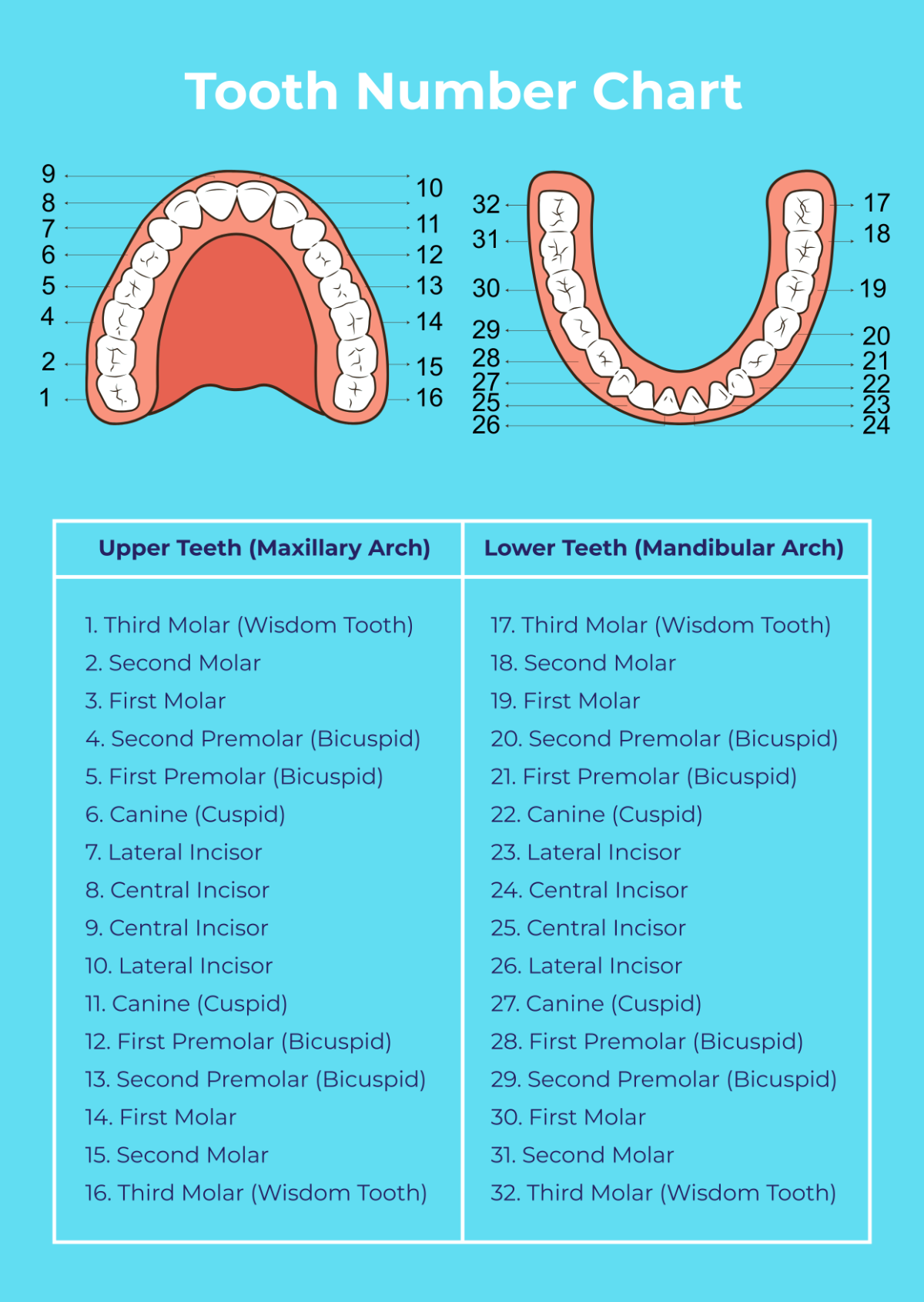
Free Tooth Number Chart Printable Guide + PDF Printables for Everyone
![Free Printable Tooth Chart Templates [Dental Chart] Teeth Numbers PDF](https://www.typecalendar.com/wp-content/uploads/2023/06/Printable-Tooth-Numbering-Chart.jpg?gid=690)
Free Printable Tooth Chart Templates [Dental Chart] Teeth Numbers PDF
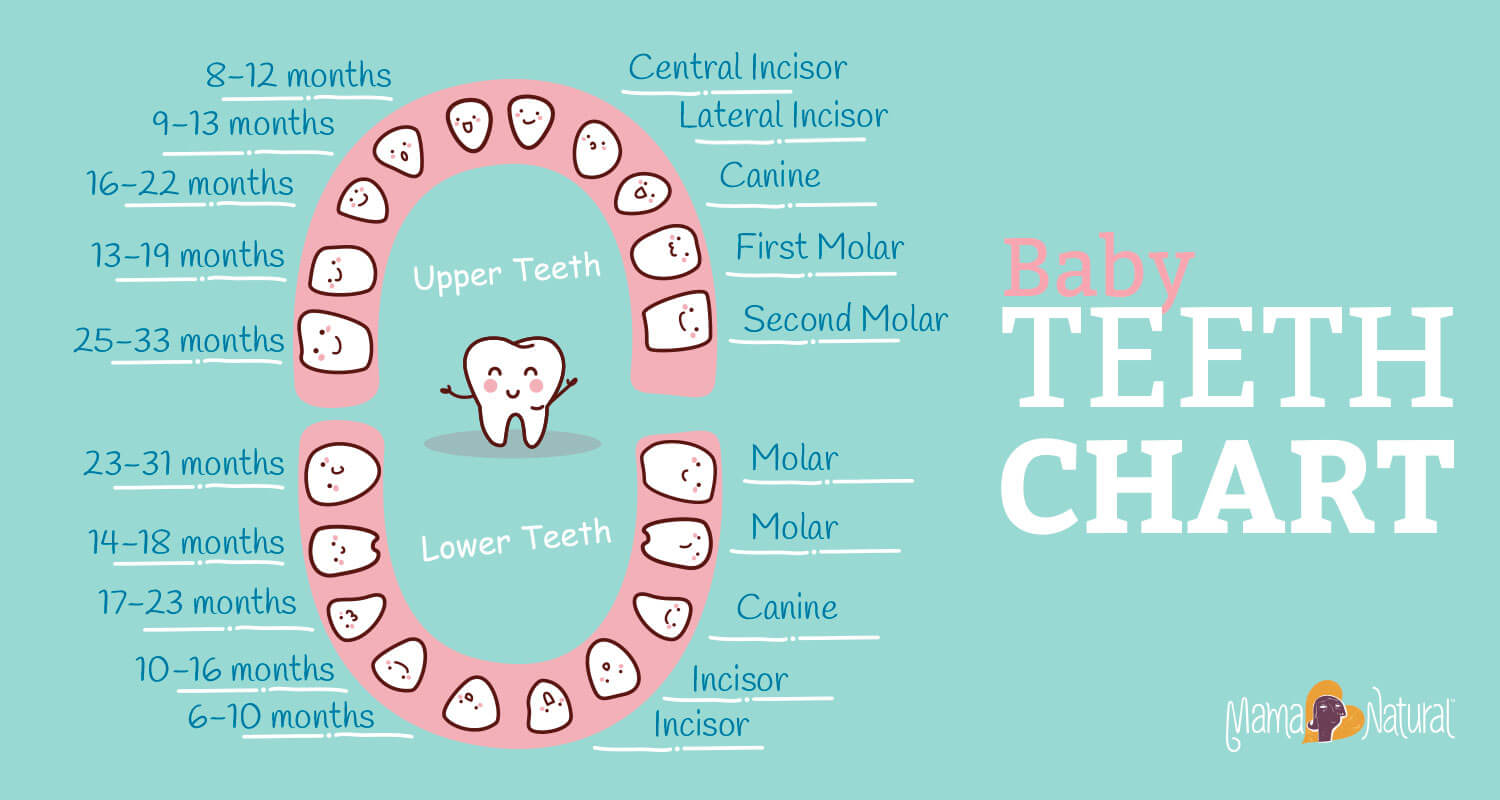
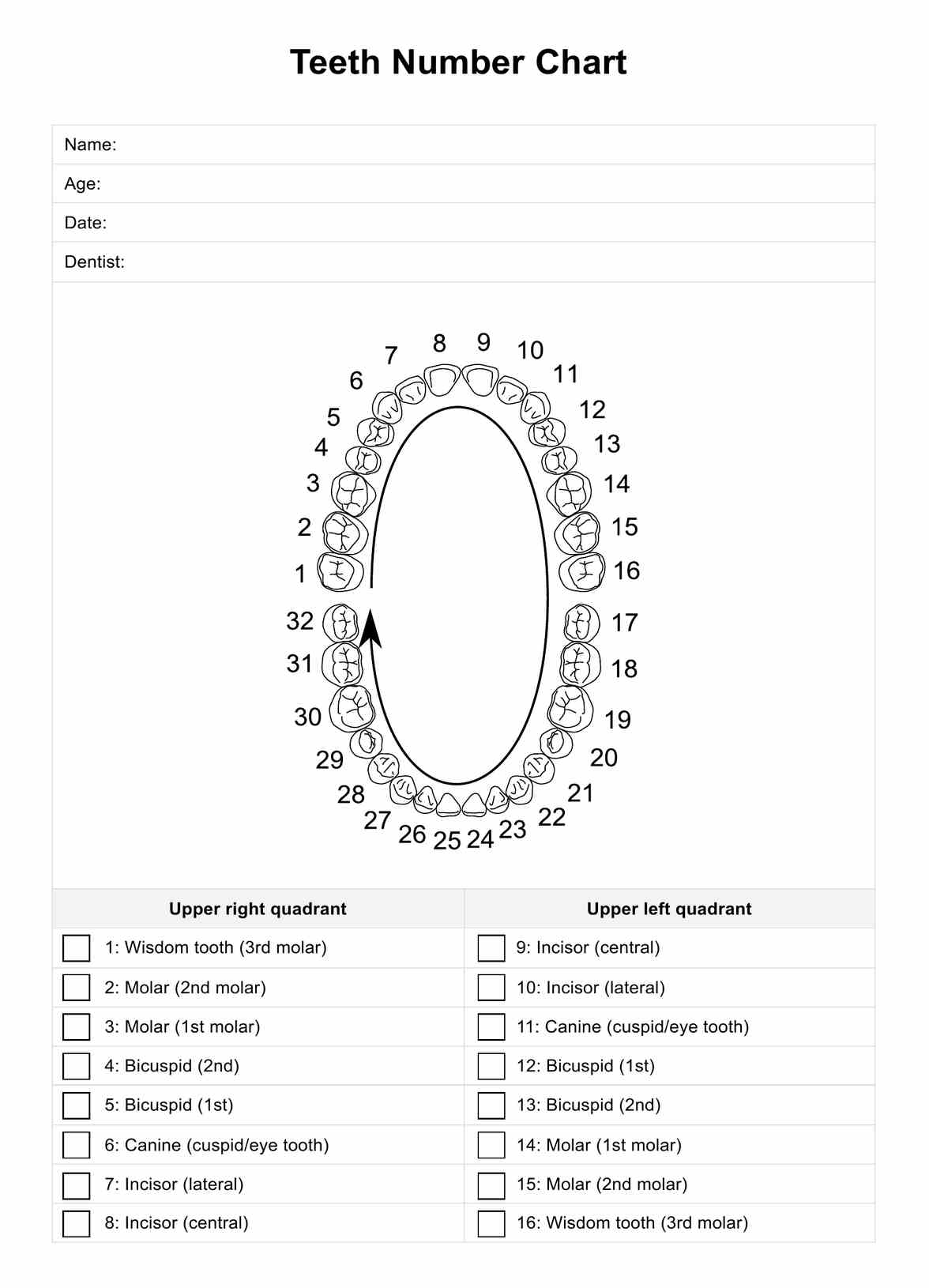
Printable Tooth Chart With Numbers And Letters

Teeth Chart Printable Free coloring pages to print
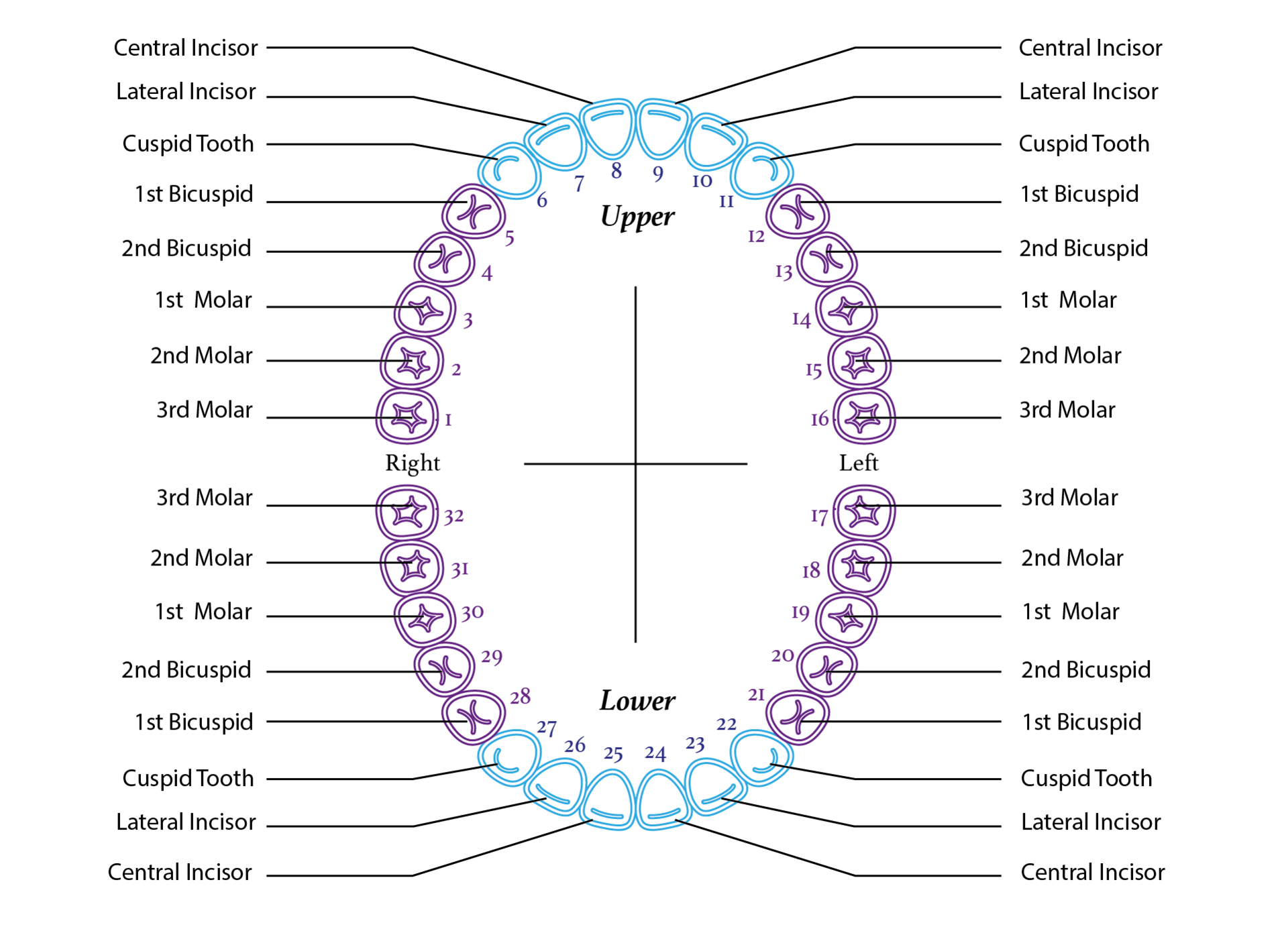
Tooth Chart Full Sheet 15 Free PDF Printables Printablee
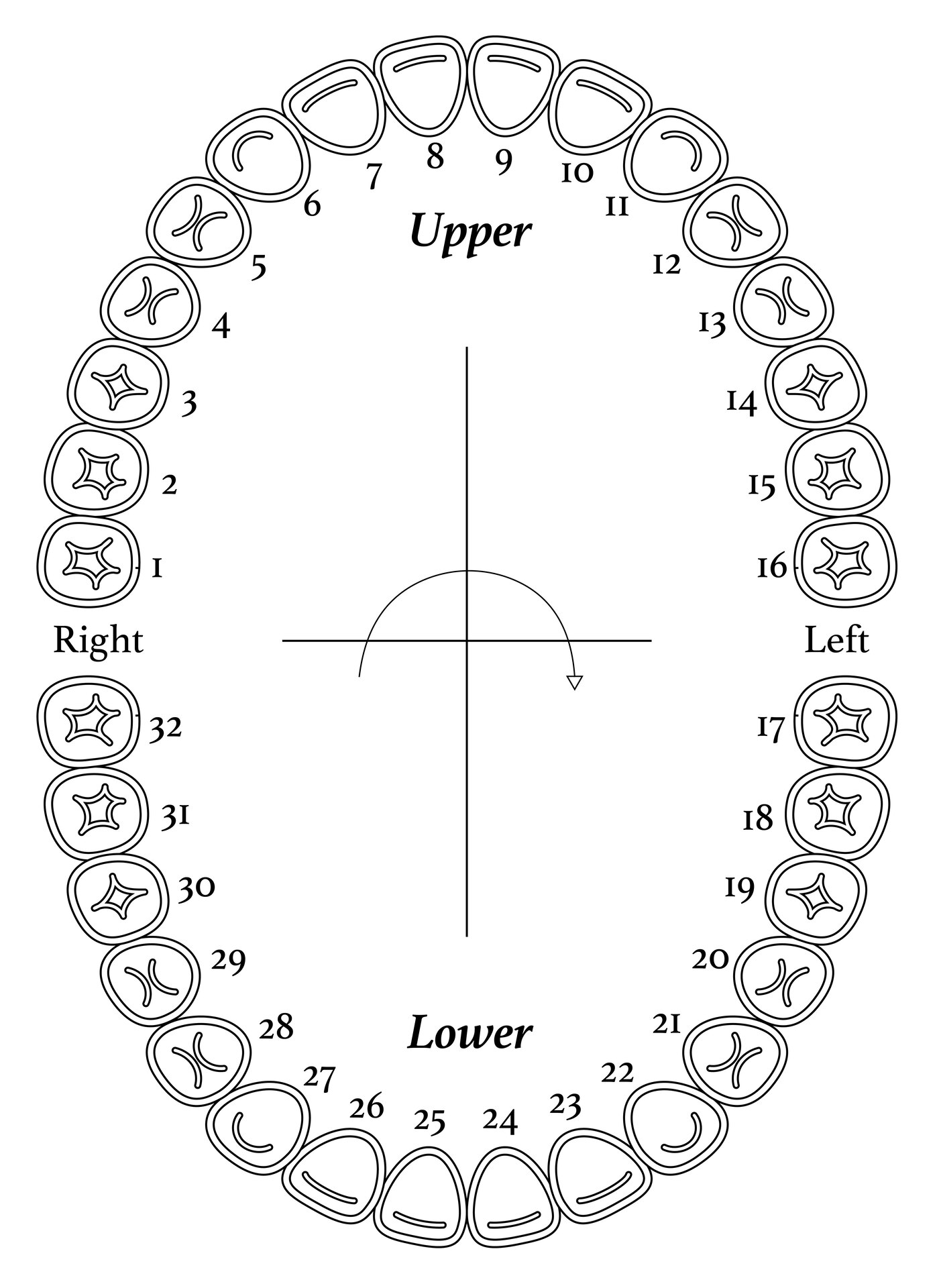
Shapes Chart 10 Free PDF Printables Printablee
![Free Printable Tooth Chart Templates [Dental Chart] Teeth Numbers PDF](https://www.typecalendar.com/wp-content/uploads/2023/06/Printable-Dental-Chart.jpg?gid=690)
Free Printable Tooth Chart Templates [Dental Chart] Teeth Numbers PDF
![Free Printable Tooth Chart Templates [Dental Chart] Teeth Numbers PDF](https://www.typecalendar.com/wp-content/uploads/2023/06/Numbered-Tooth-Chart-for-Easy-Reference.jpg)
Free Printable Tooth Chart Templates [Dental Chart] Teeth Numbers PDF
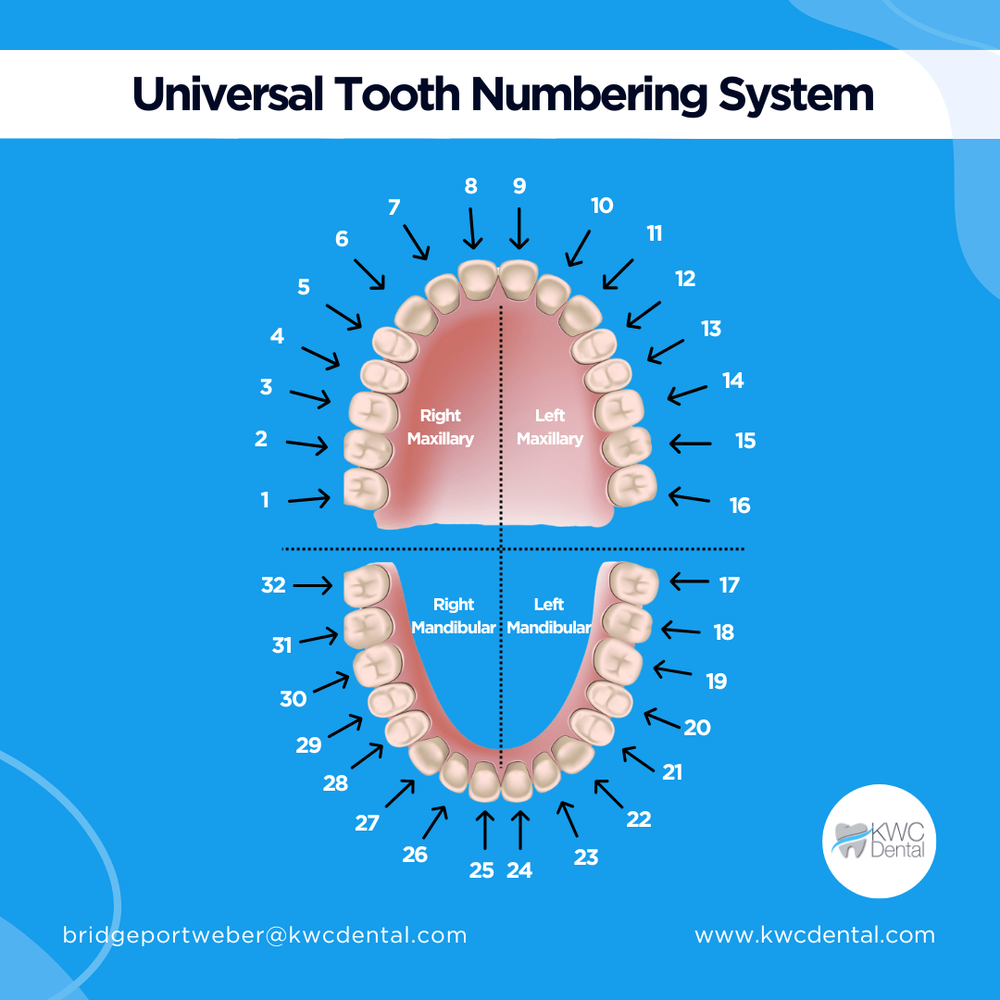
The Complete Guide To Tooth Numbering System — KWC Dental
![Free Printable Tooth Chart Templates [Dental Chart] Teeth Numbers PDF](https://www.typecalendar.com/wp-content/uploads/2023/06/Tooth-Chart-with-Detailed-Numbering-PDF.jpg?gid=690)
Free Printable Tooth Chart Templates [Dental Chart] Teeth Numbers PDF
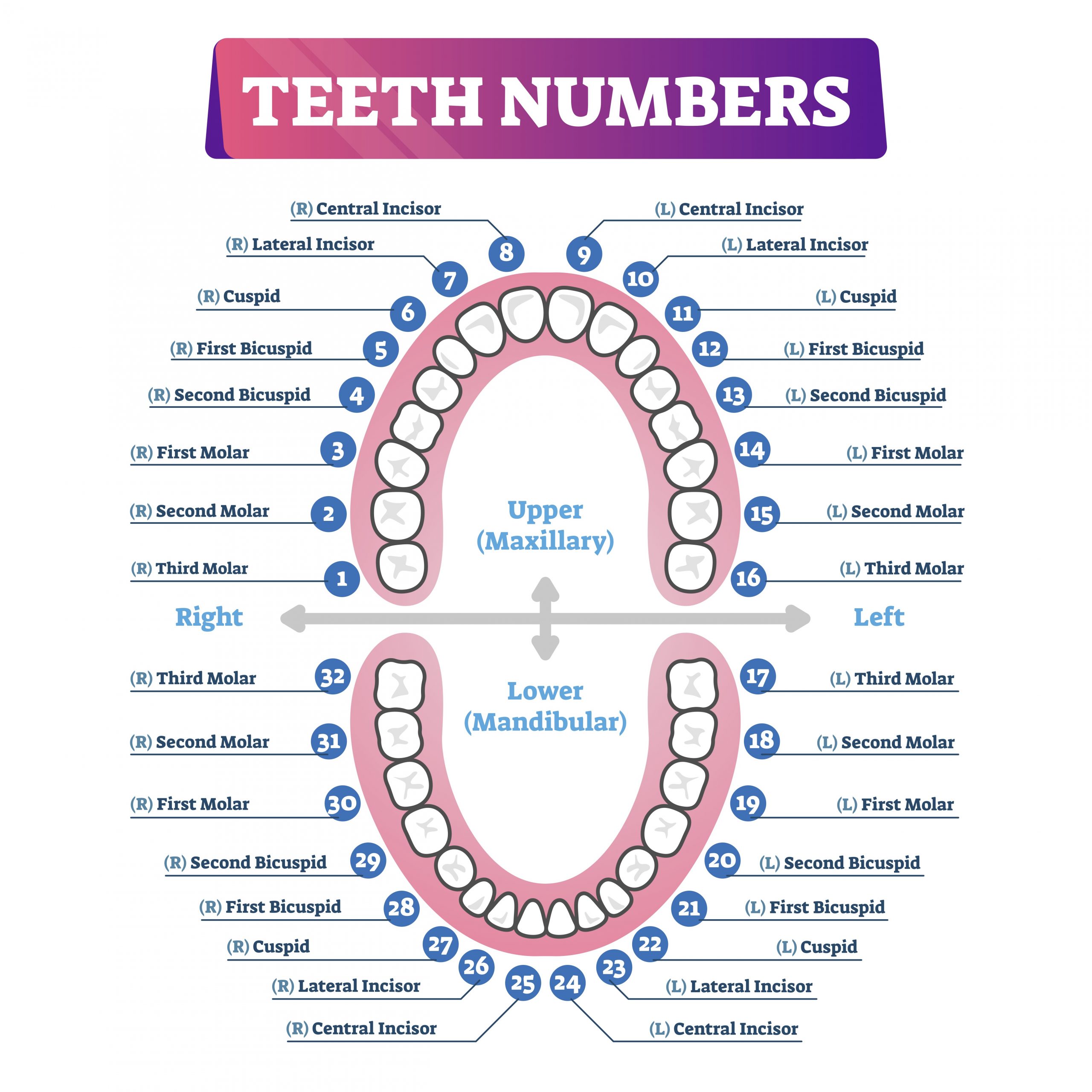
![Free Printable Tooth Chart Templates [Dental Chart] Teeth Numbers PDF](https://www.typecalendar.com/wp-content/uploads/2023/06/Numbered-Tooth-Chart-PDF.jpg)
Free Printable Tooth Chart Templates [Dental Chart] Teeth Numbers PDF
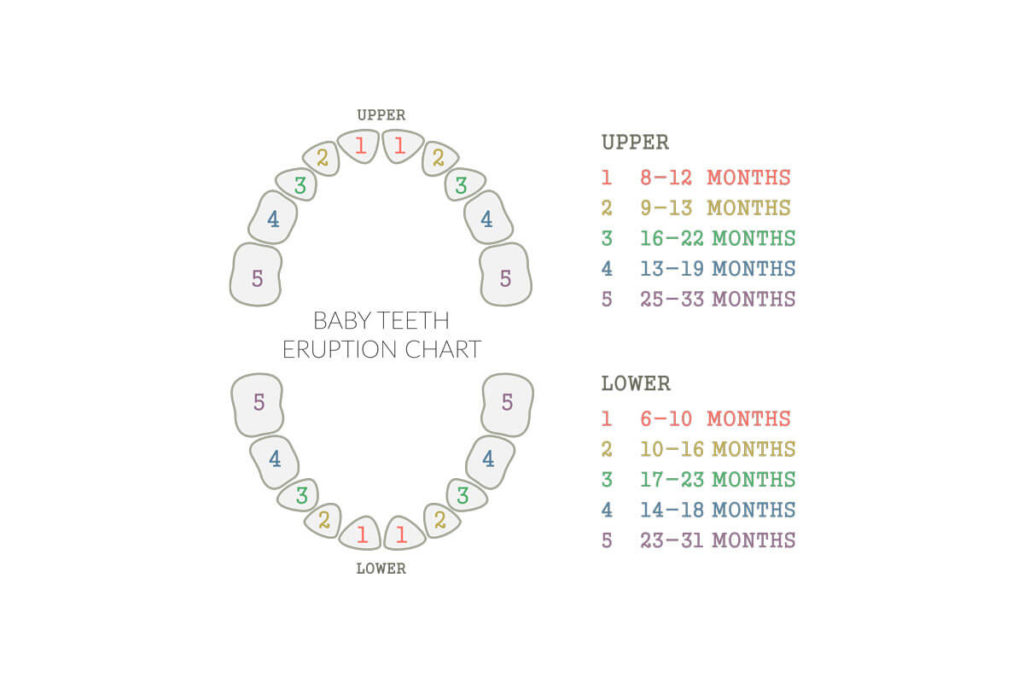

![Free Printable Tooth Chart Templates [Dental Chart] Teeth Numbers PDF](https://www.typecalendar.com/wp-content/uploads/2023/06/Numbered-Tooth-Chart-for-Kids.jpg)
Free Printable Tooth Chart Templates [Dental Chart] Teeth Numbers PDF
![Free Printable Tooth Chart Templates [Dental Chart] Teeth Numbers PDF](https://www.typecalendar.com/wp-content/uploads/2023/06/Vibrant-Color-Tooth-Chart.jpg)
Free Printable Tooth Chart Templates [Dental Chart] Teeth Numbers PDF
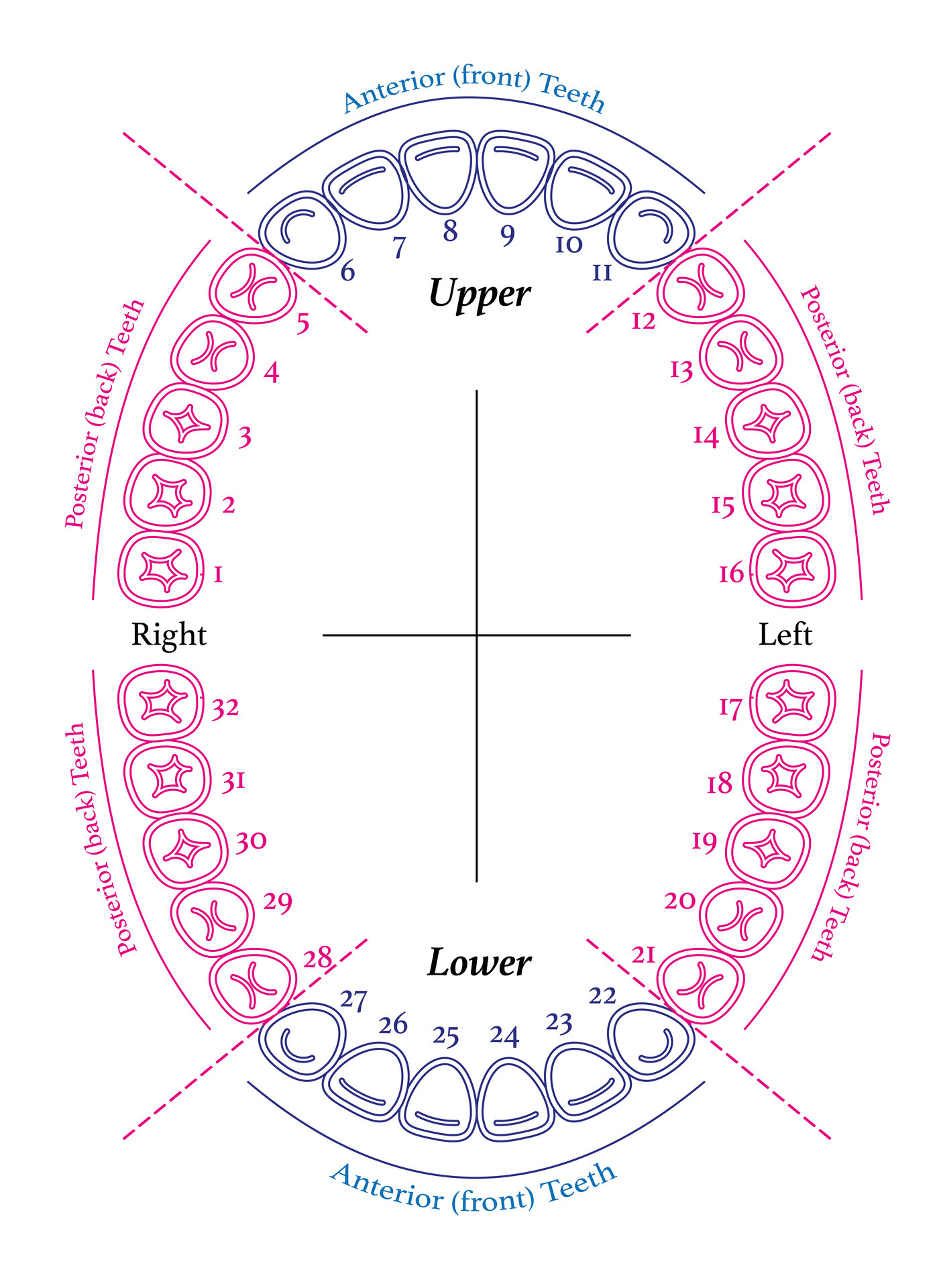
Free Printable Tooth Chart Free Printable Templates
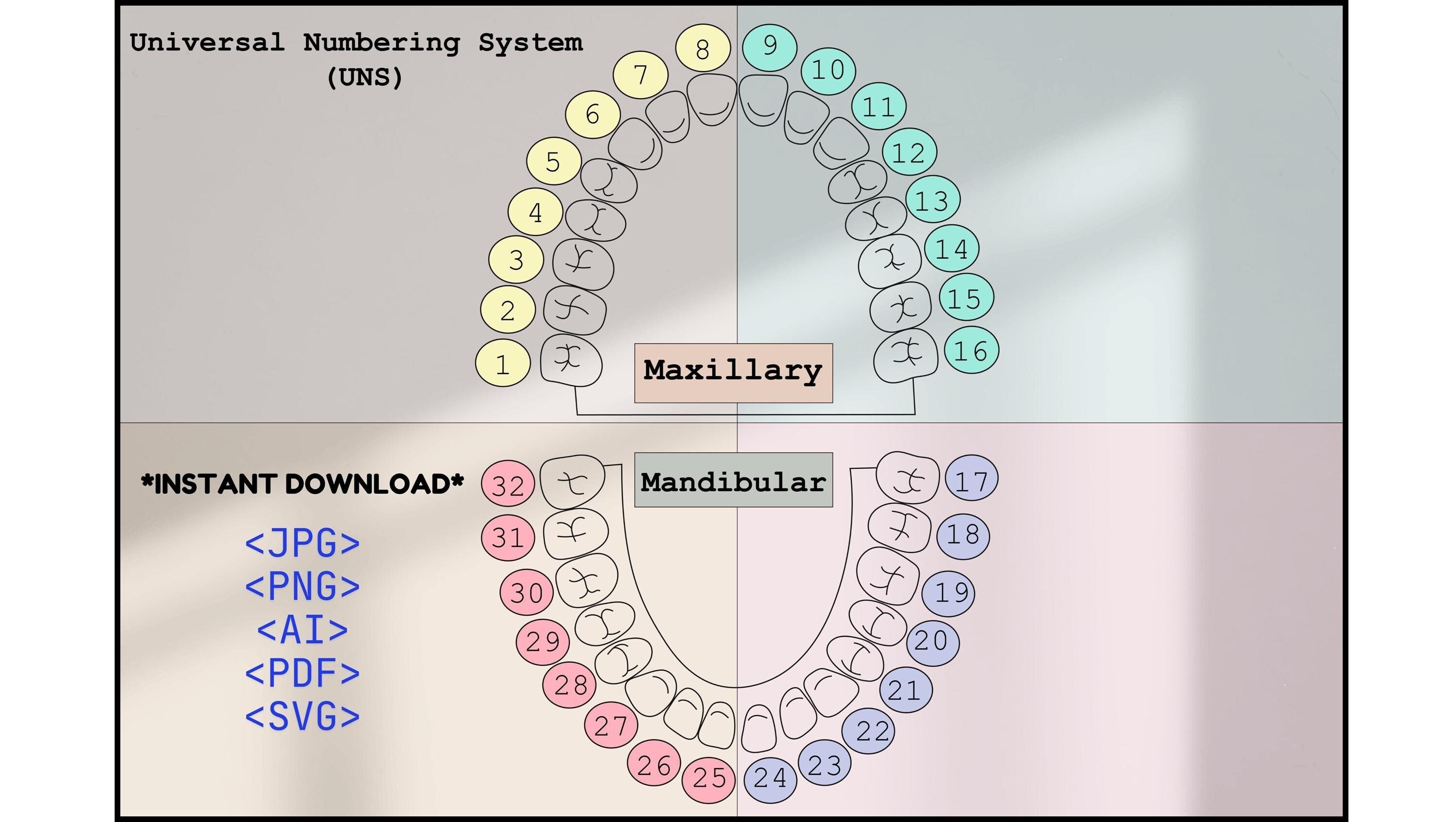
Printable Tooth Chart With Numbers
![Free Printable Tooth Chart Templates [Dental Chart] Teeth Numbers PDF](https://www.typecalendar.com/wp-content/uploads/2023/06/Tooth-Chart-for-Free-Download.jpg)
Free Printable Tooth Chart Templates [Dental Chart] Teeth Numbers PDF

Tooth Number Chart Printable Printable Free Templates

Printable Tooth Chart With Numbers

Printable Tooth Number Chart Printable New Year Banners

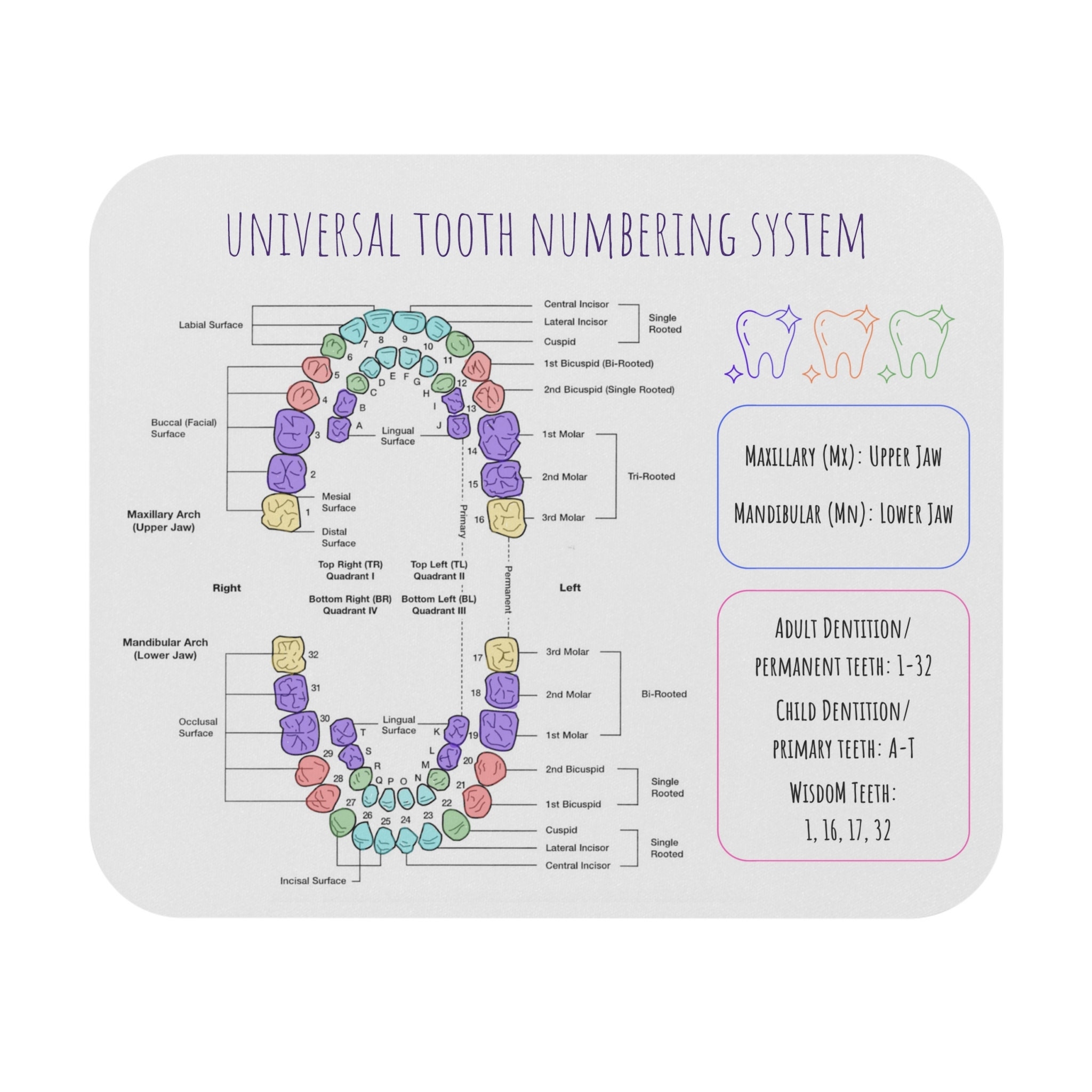
Dental Assistant Tooth Chart Printable Printable Chart Template
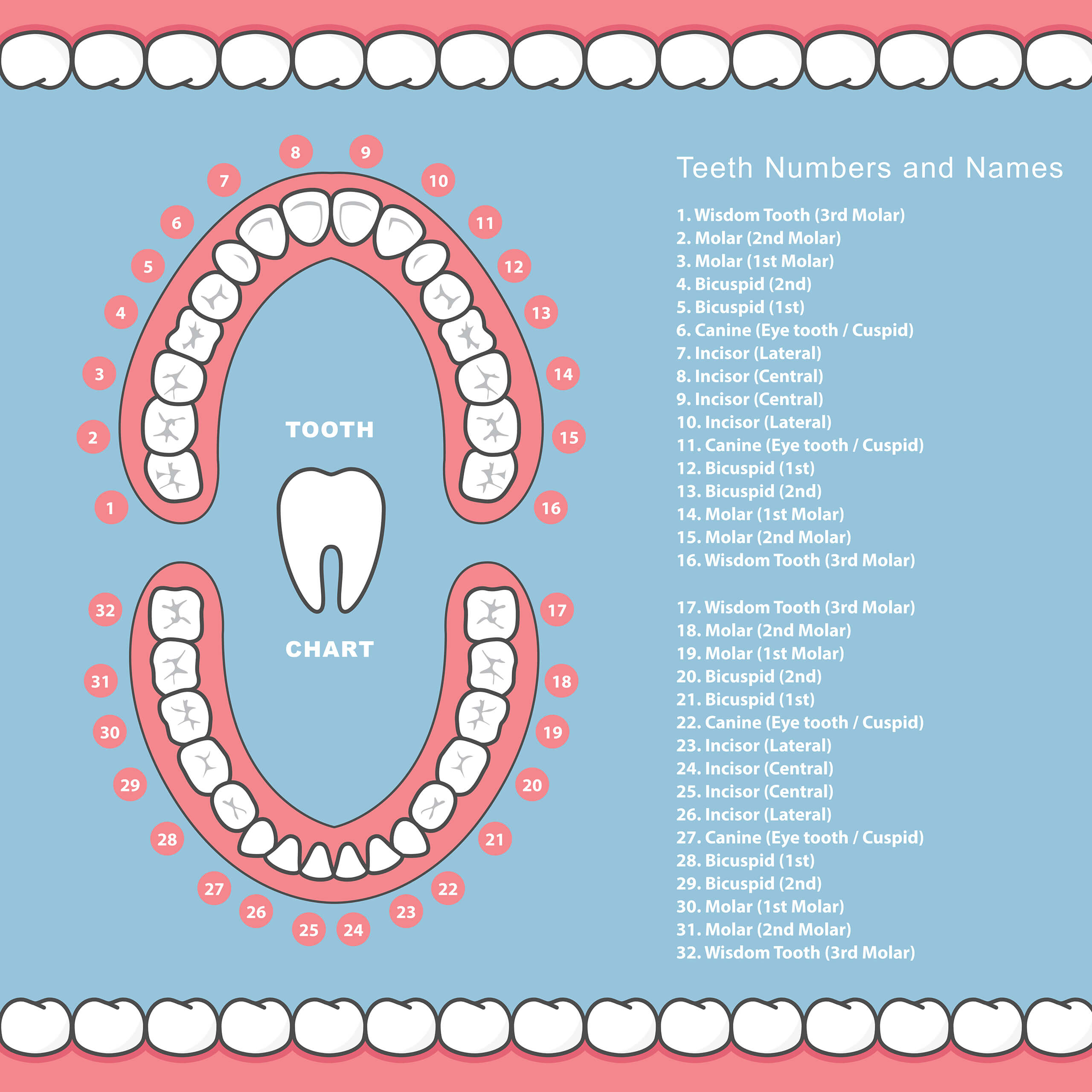
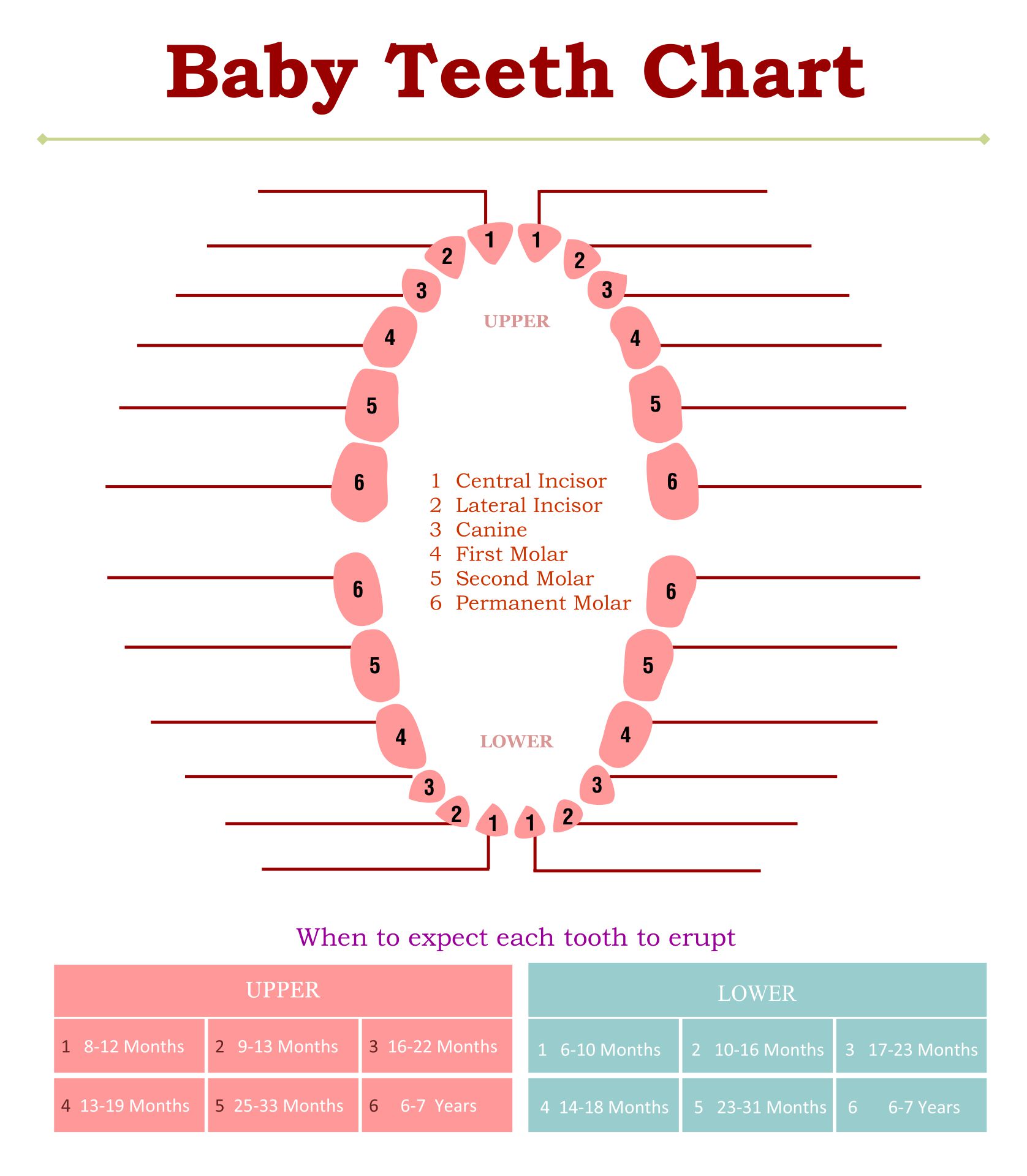
Blank Tooth Chart Printable Printable Free Templates
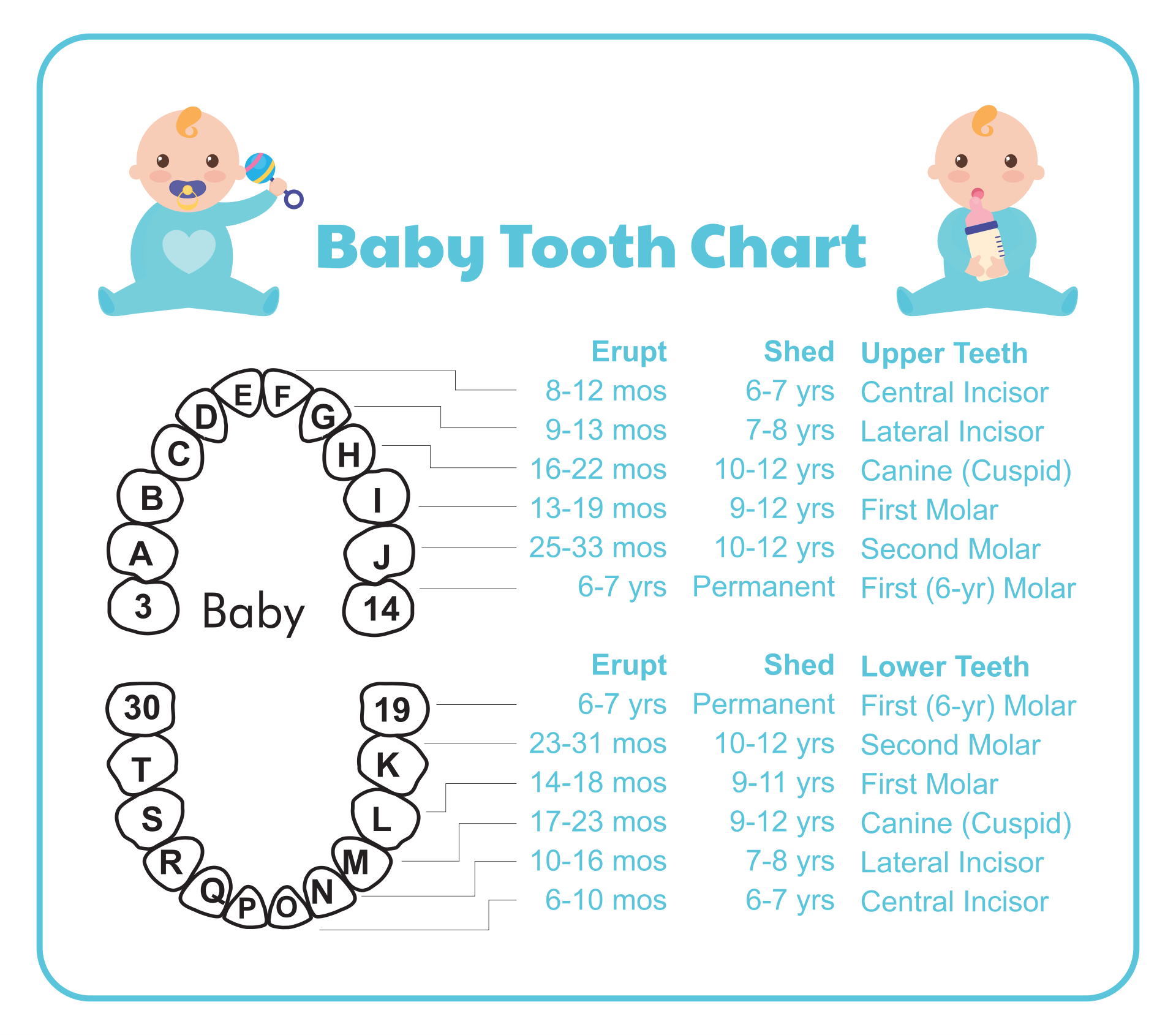
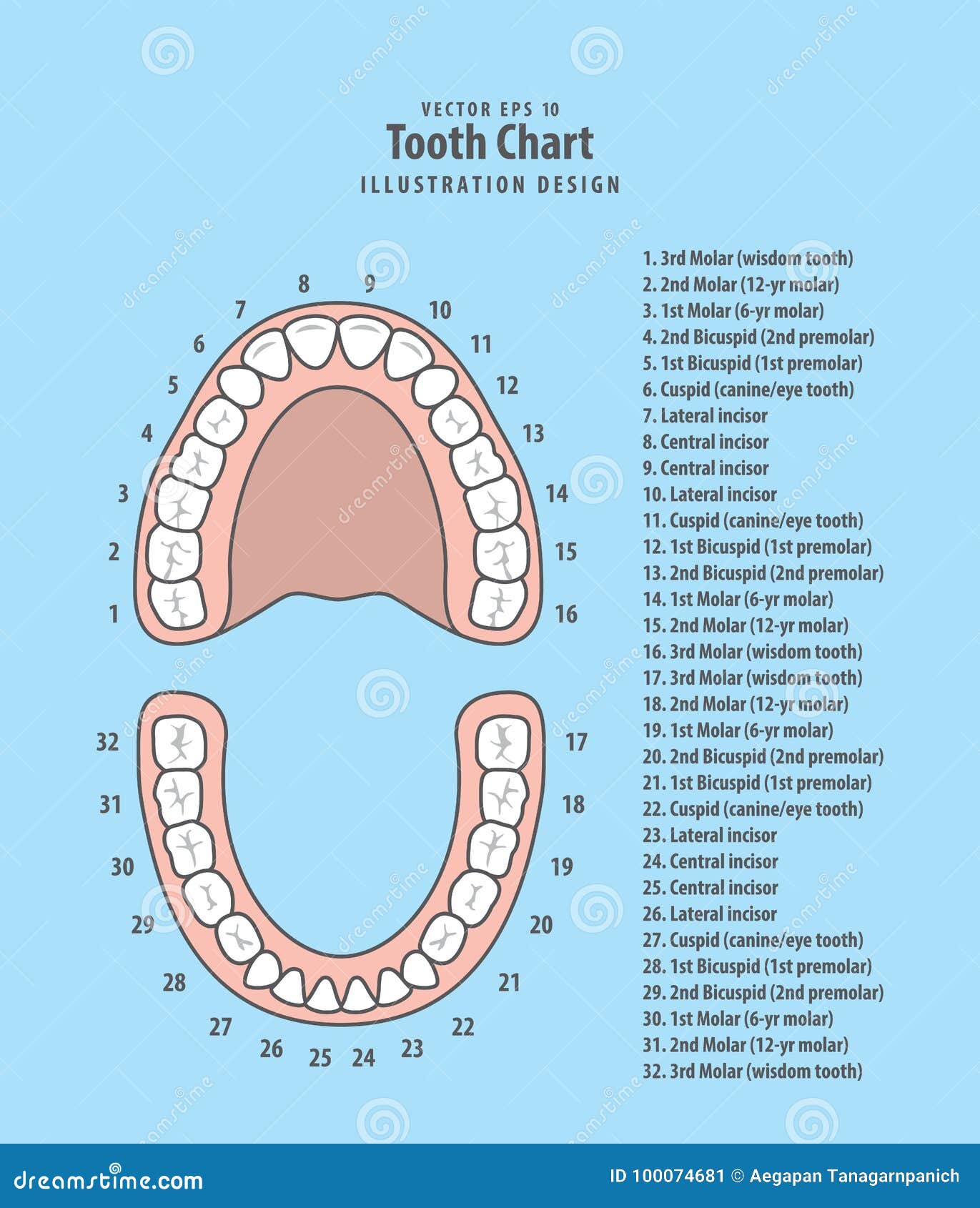
Tooth Chart with Number Infographic Illustration Vector on Blue Stock

Printable Tooth Number Chart
Incisors, Canines, Premolars, And Molars;
We’ll Also Go Over Some Common Conditions That Can Affect Your Teeth, And We’ll List Common Symptoms To Watch For.
Teeth Are Used For Catching And Masticating Food, For.
The Pulp Of The Tooth Is A Vascular Region Of Soft Connective Tissues In The Middle Of The Tooth.
Related Post: