
Skeletal System Diagram Printable
Skeletal System Diagram Printable - Skeletal, muscular, cardiovascular, digestive, endocrine, nervous, respiratory, immune/lymphatic, urinary, female reproductive. What are the primary functions of the human skeleton? Its parts include your bones, muscles, cartilage and connective tissue like ligaments and tendons. Of or like a skeleton (= frame of bones): Hard structures, semirigid structures, connective tissue, hydrostatic structures, elastic structures, and buoyancy devices. Skeletal elements are of six principal types: Muscles, bones, and joints provide the principal mechanics for movement, all coordinated by the. What does the skeletal system do? The bone mass in the skeleton constitutes about 14% of the total body. The skeletal system is your body’s support structure. Skeletal elements are of six principal types: Hard structures, semirigid structures, connective tissue, hydrostatic structures, elastic structures, and buoyancy devices. How to use skeletal in a sentence. Skeletal, muscular, cardiovascular, digestive, endocrine, nervous, respiratory, immune/lymphatic, urinary, female reproductive. What are the primary functions of the human skeleton? Skeletal, muscular, cardiovascular, digestive, endocrine, nervous, respiratory, immune/lymphatic, urinary, female reproductive. Of or like a skeleton (= frame of bones): The bone mass in the skeleton constitutes about 14% of the total body. There are 12 major anatomy systems: What does the skeletal system do? The skeletal system is your body’s support structure. What forms the axial and appendicular skeleton? Of or like a skeleton (= frame of bones): Skeletal, muscular, cardiovascular, digestive, endocrine, nervous, respiratory, immune/lymphatic, urinary, female reproductive. Movement is powered by skeletal muscles, which are attached to the skeleton at various sites on bones. How to use skeletal in a sentence. What are the primary functions of the human skeleton? What does the skeletal system do? It consists of approximately 270 bones at birth, which decreases to around 206 bones by adulthood after some bones fuse together. What forms the axial and appendicular skeleton? The skeletal system is your body’s support structure. How do they come together to form joints? Explore the skeletal system with our interactive 3d anatomy models. Used to describe something that exists in its most…. Skeletal elements are of six principal types: It consists of approximately 270 bones at birth, which decreases to around 206 bones by adulthood after some bones fuse together. What forms the axial and appendicular skeleton? The meaning of skeletal is of, relating to, forming, attached to, or resembling a skeleton. Muscles, bones, and joints provide the principal mechanics for movement, all coordinated by the. Its parts include. Of or like a skeleton (= frame of bones): Skeletal elements are of six principal types: The skeletal system is your body’s support structure. The bone mass in the skeleton constitutes about 14% of the total body. How do they come together to form joints? The meaning of skeletal is of, relating to, forming, attached to, or resembling a skeleton. It consists of approximately 270 bones at birth, which decreases to around 206 bones by adulthood after some bones fuse together. Used to describe something that exists in its most…. Of or like a skeleton (= frame of bones): The bone mass in the skeleton. Its parts include your bones, muscles, cartilage and connective tissue like ligaments and tendons. Skeletal elements are of six principal types: It consists of approximately 270 bones at birth, which decreases to around 206 bones by adulthood after some bones fuse together. The primary functions of the human skeleton are support, protection, and motion. Support is the most primitive and. Muscles, bones, and joints provide the principal mechanics for movement, all coordinated by the. Its parts include your bones, muscles, cartilage and connective tissue like ligaments and tendons. Hard structures, semirigid structures, connective tissue, hydrostatic structures, elastic structures, and buoyancy devices. Learn about the bones, joints, and skeletal anatomy of the human body. Used to describe something that exists in. Used to describe something that exists in its most…. Skeletal, muscular, cardiovascular, digestive, endocrine, nervous, respiratory, immune/lymphatic, urinary, female reproductive. What are the primary functions of the human skeleton? Explore the skeletal system with our interactive 3d anatomy models. Support is the most primitive and oldest. Its parts include your bones, muscles, cartilage and connective tissue like ligaments and tendons. Of or like a skeleton (= frame of bones): Skeletal elements are of six principal types: What does the skeletal system do? Hard structures, semirigid structures, connective tissue, hydrostatic structures, elastic structures, and buoyancy devices. Movement is powered by skeletal muscles, which are attached to the skeleton at various sites on bones. How to use skeletal in a sentence. There are 12 major anatomy systems: Learn about the bones, joints, and skeletal anatomy of the human body. Skeletal, muscular, cardiovascular, digestive, endocrine, nervous, respiratory, immune/lymphatic, urinary, female reproductive. Muscles, bones, and joints provide the principal mechanics for movement, all coordinated by the. The bone mass in the skeleton constitutes about 14% of the total body. There are 12 major anatomy systems: Hard structures, semirigid structures, connective tissue, hydrostatic structures, elastic structures, and buoyancy devices. The meaning of skeletal is of, relating to, forming, attached to, or resembling a. Muscles, bones, and joints provide the principal mechanics for movement, all coordinated by the. What are the primary functions of the human skeleton? The skeletal system is your body’s support structure. Learn about the bones, joints, and skeletal anatomy of the human body. How do they come together to form joints? Explore the skeletal system with our interactive 3d anatomy models. Hard structures, semirigid structures, connective tissue, hydrostatic structures, elastic structures, and buoyancy devices. The meaning of skeletal is of, relating to, forming, attached to, or resembling a skeleton. There are 12 major anatomy systems: How to use skeletal in a sentence. Hard structures, semirigid structures, connective tissue, hydrostatic structures, elastic structures, and buoyancy devices. The skeletal system is your body’s support structure. The primary functions of the human skeleton are support, protection, and motion. Its parts include your bones, muscles, cartilage and connective tissue like ligaments and tendons. The bone mass in the skeleton constitutes about 14% of the total body. What are the primary functions of the human skeleton? The meaning of skeletal is of, relating to, forming, attached to, or resembling a skeleton. Skeletal elements are of six principal types: Skeletal, muscular, cardiovascular, digestive, endocrine, nervous, respiratory, immune/lymphatic, urinary, female reproductive. There are 12 major anatomy systems: Its parts include your bones, muscles, cartilage and connective tissue like ligaments and tendons. It consists of approximately 270 bones at birth, which decreases to around 206 bones by adulthood after some bones fuse together. There are 12 major anatomy systems: The primary functions of the human skeleton are support, protection, and motion. What are the primary functions of the. Explore the skeletal system with our interactive 3d anatomy models. Hard structures, semirigid structures, connective tissue, hydrostatic structures, elastic structures, and buoyancy devices. Used to describe something that exists in its most…. Learn about the bones, joints, and skeletal anatomy of the human body. Skeletal, muscular, cardiovascular, digestive, endocrine, nervous, respiratory, immune/lymphatic, urinary, female reproductive. The primary functions of the human skeleton are support, protection, and motion. Skeletal elements are of six principal types: Hard structures, semirigid structures, connective tissue, hydrostatic structures, elastic structures, and buoyancy devices. The bone mass in the skeleton constitutes about 14% of the total body. Support is the most primitive and oldest. Hard structures, semirigid structures, connective tissue, hydrostatic structures, elastic structures, and buoyancy devices. Learn about the bones, joints, and skeletal anatomy of the human body. Skeletal elements are of six principal types: How to use skeletal in a sentence. Movement is powered by skeletal muscles, which are attached to the skeleton at various sites on bones. Of or like a skeleton (= frame of bones): Hard structures, semirigid structures, connective tissue, hydrostatic structures, elastic structures, and buoyancy devices. Skeletal elements are of six principal types: Learn about the bones, joints, and skeletal anatomy of the human body. The bone mass in the skeleton constitutes about 14% of the total body. It consists of approximately 270 bones at birth, which decreases to around 206 bones by adulthood after some bones fuse together. How to use skeletal in a sentence. What forms the axial and appendicular skeleton? How do they come together to form joints? Its parts include your bones, muscles, cartilage and connective tissue like ligaments and tendons. The meaning of skeletal is of, relating to, forming, attached to, or resembling a skeleton. Explore the skeletal system with our interactive 3d anatomy models. What does the skeletal system do? What are the primary functions of the human skeleton? How to use skeletal in a sentence. There are 12 major anatomy systems: Movement is powered by skeletal muscles, which are attached to the skeleton at various sites on bones. How do they come together to form joints? Learn about the bones, joints, and skeletal anatomy of the human body. Used to describe something that exists in its most…. Used to describe something that exists in its most…. The bone mass in the skeleton constitutes about 14% of the total body. Its parts include your bones, muscles, cartilage and connective tissue like ligaments and tendons. What forms the axial and appendicular skeleton? The primary functions of the human skeleton are support, protection, and motion. The skeletal system is your body’s support structure. Support is the most primitive and oldest. What forms the axial and appendicular skeleton? Hard structures, semirigid structures, connective tissue, hydrostatic structures, elastic structures, and buoyancy devices. Explore the skeletal system with our interactive 3d anatomy models. Movement is powered by skeletal muscles, which are attached to the skeleton at various sites on bones. The primary functions of the human skeleton are support, protection, and motion. What forms the axial and appendicular skeleton? Skeletal, muscular, cardiovascular, digestive, endocrine, nervous, respiratory, immune/lymphatic, urinary, female reproductive. The bone mass in the skeleton constitutes about 14% of the total body. Explore the skeletal system with our interactive 3d anatomy models. What are the primary functions of the human skeleton? There are 12 major anatomy systems: What forms the axial and appendicular skeleton? Hard structures, semirigid structures, connective tissue, hydrostatic structures, elastic structures, and buoyancy devices. It consists of approximately 270 bones at birth, which decreases to around 206 bones by adulthood after some bones fuse together. Of or like a skeleton (= frame of bones): Hard structures, semirigid structures, connective tissue, hydrostatic structures, elastic structures, and buoyancy devices. Skeletal, muscular, cardiovascular, digestive, endocrine, nervous, respiratory, immune/lymphatic, urinary, female reproductive. What are the primary functions of. The primary functions of the human skeleton are support, protection, and motion. Skeletal, muscular, cardiovascular, digestive, endocrine, nervous, respiratory, immune/lymphatic, urinary, female reproductive. Support is the most primitive and oldest. There are 12 major anatomy systems: Explore the skeletal system with our interactive 3d anatomy models. Skeletal elements are of six principal types: The primary functions of the human skeleton are support, protection, and motion. Skeletal, muscular, cardiovascular, digestive, endocrine, nervous, respiratory, immune/lymphatic, urinary, female reproductive. What does the skeletal system do? Explore the skeletal system with our interactive 3d anatomy models. How do they come together to form joints? Its parts include your bones, muscles, cartilage and connective tissue like ligaments and tendons. What forms the axial and appendicular skeleton? What does the skeletal system do? Skeletal, muscular, cardiovascular, digestive, endocrine, nervous, respiratory, immune/lymphatic, urinary, female reproductive. Skeletal, muscular, cardiovascular, digestive, endocrine, nervous, respiratory, immune/lymphatic, urinary, female reproductive. The bone mass in the skeleton constitutes about 14% of the total body. Learn about the bones, joints, and skeletal anatomy of the human body. Used to describe something that exists in its most…. The primary functions of the human skeleton are support, protection, and motion. Its parts include your bones, muscles, cartilage and connective tissue like ligaments and tendons. Support is the most primitive and oldest. Hard structures, semirigid structures, connective tissue, hydrostatic structures, elastic structures, and buoyancy devices. Explore the skeletal system with our interactive 3d anatomy models. What does the skeletal system do? Muscles, bones, and joints provide the principal mechanics for movement, all coordinated by the. Of or like a skeleton (= frame of bones): Movement is powered by skeletal muscles, which are attached to the skeleton at various sites on bones. What are the primary functions of the human skeleton? The meaning of skeletal is of, relating to, forming, attached to, or resembling a skeleton. How to use skeletal in a sentence.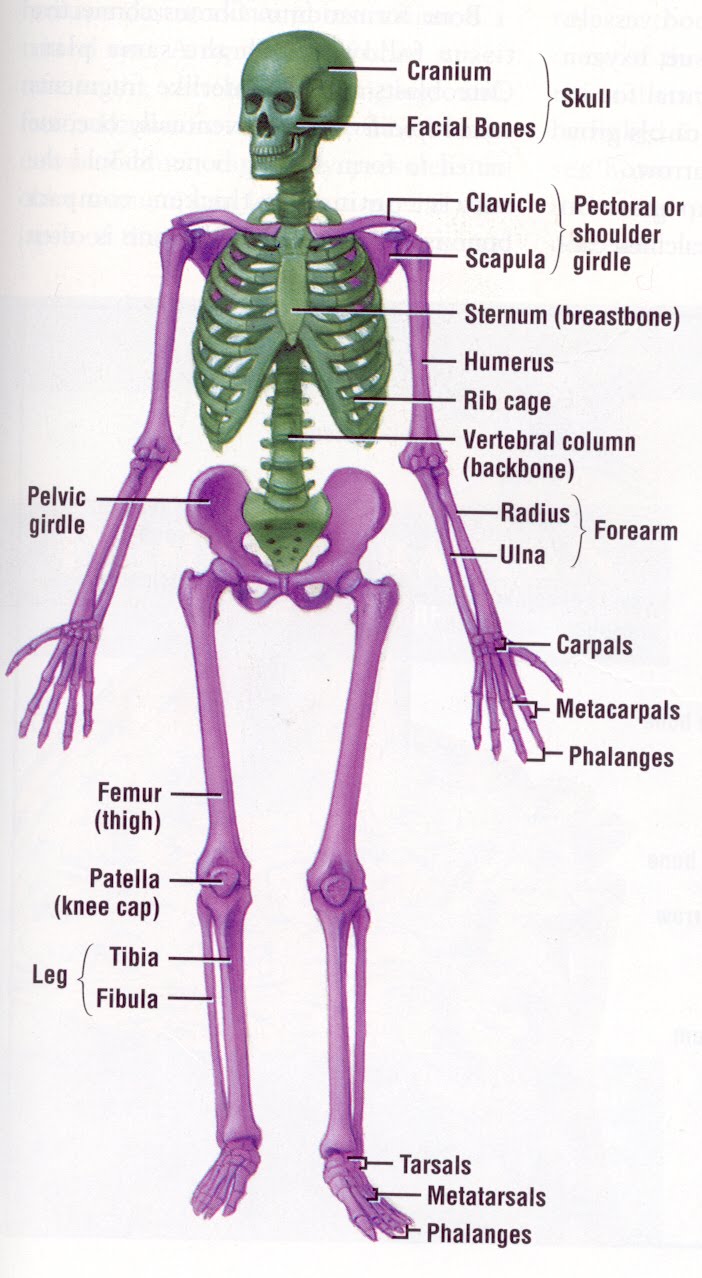
skeletal system diagram

A Visual Guide to the Skeletal System Printable Diagram

Skeletal System Definition And Examples VLIB
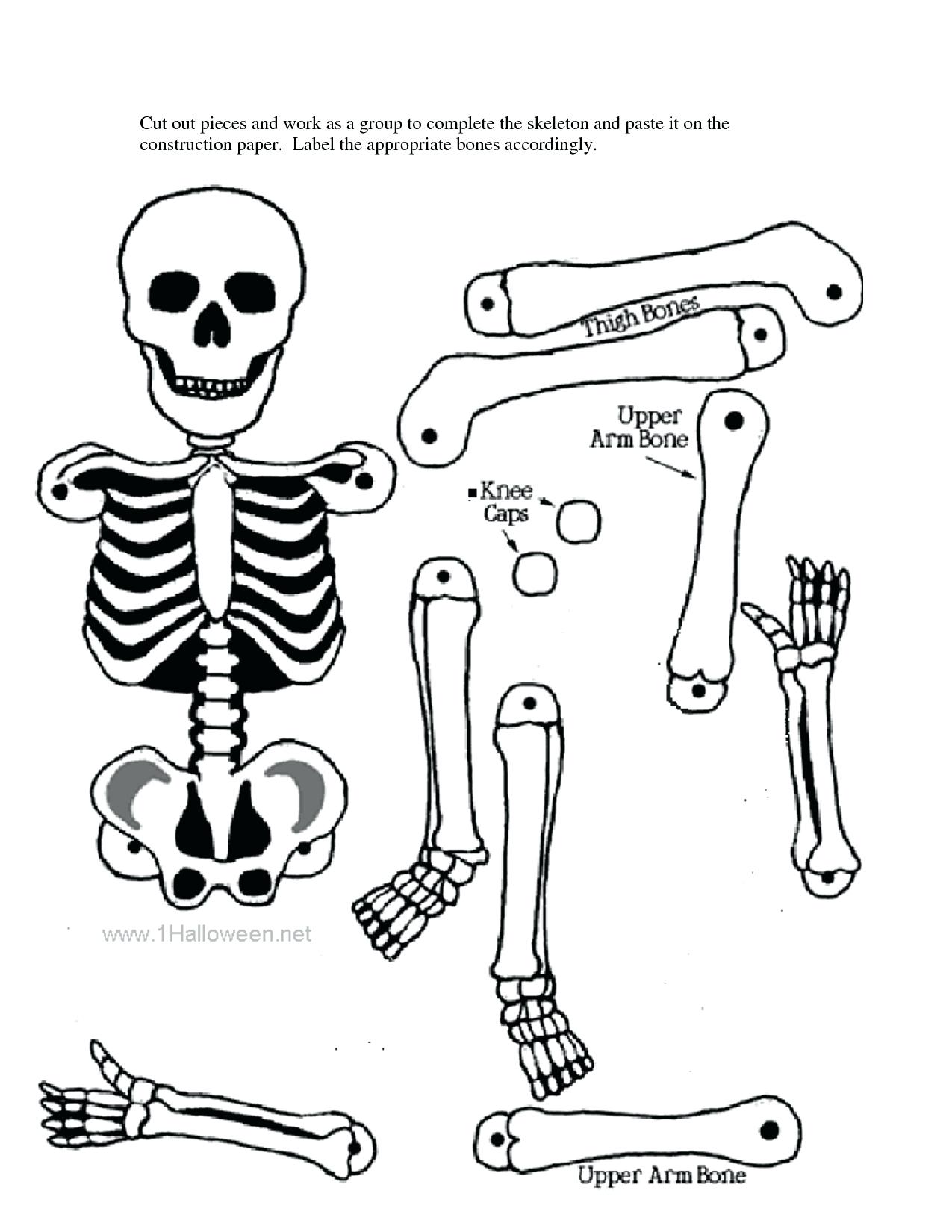
Free Printable Human Skeleton Diagram Easy Anatomy Printables for

printable human skeleton Anatomy System Human Body Anatomy diagram

Printable Human Skeleton Diagram Free Printable Worksheet

Skeletal System Labeled Diagrams Of The Human Skeleton

Free Printable Human Skeleton Diagram Easy Anatomy Printables for

Free Printable Human Skeleton Diagram Easy Anatomy Printables for

Printable Human Skeleton Diagram

Printable Skeletal System Diagram Printable And Enjoyable Learning

Skeletal System Anatomy
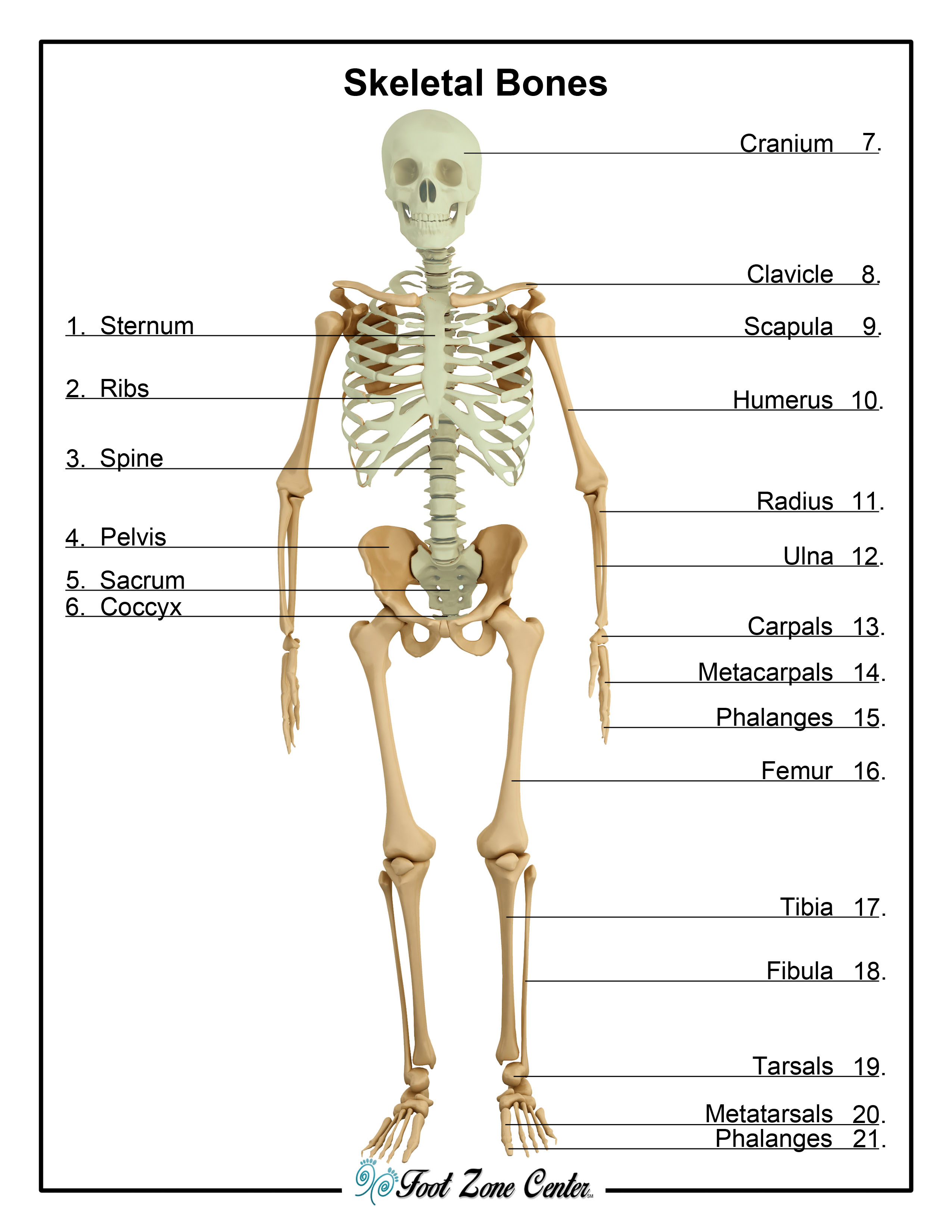
Detailed Skeletal System Printable
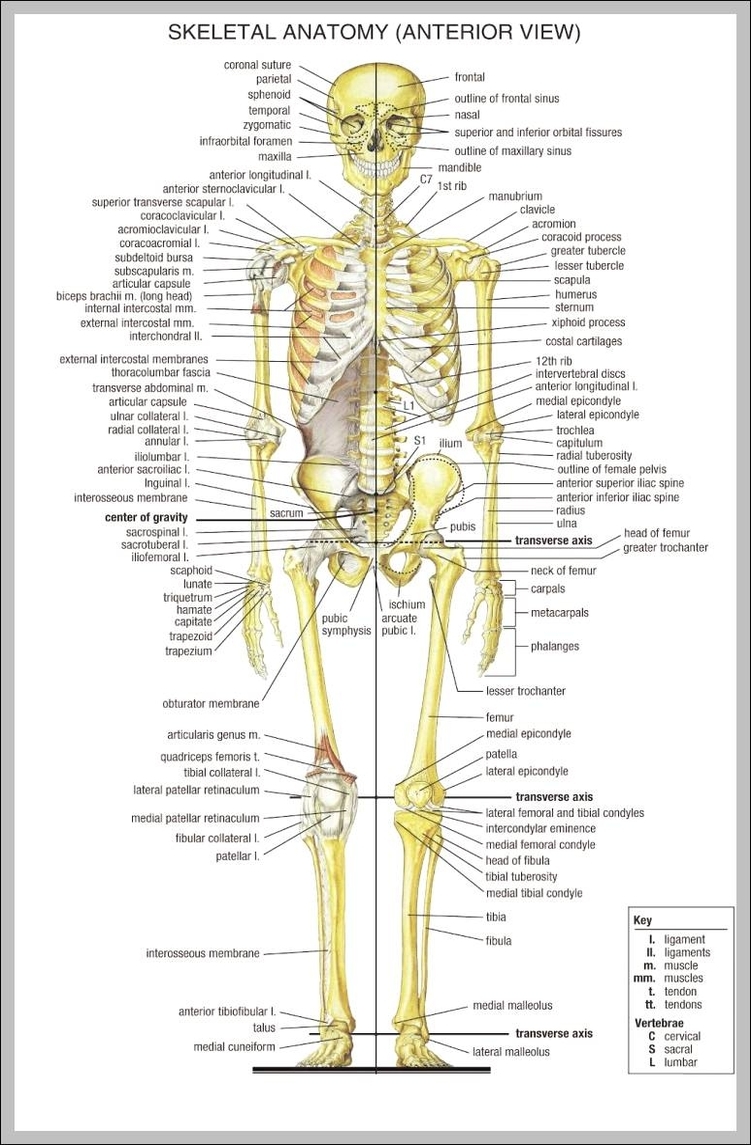
skeleton Anatomy System Human Body Anatomy diagram and chart images
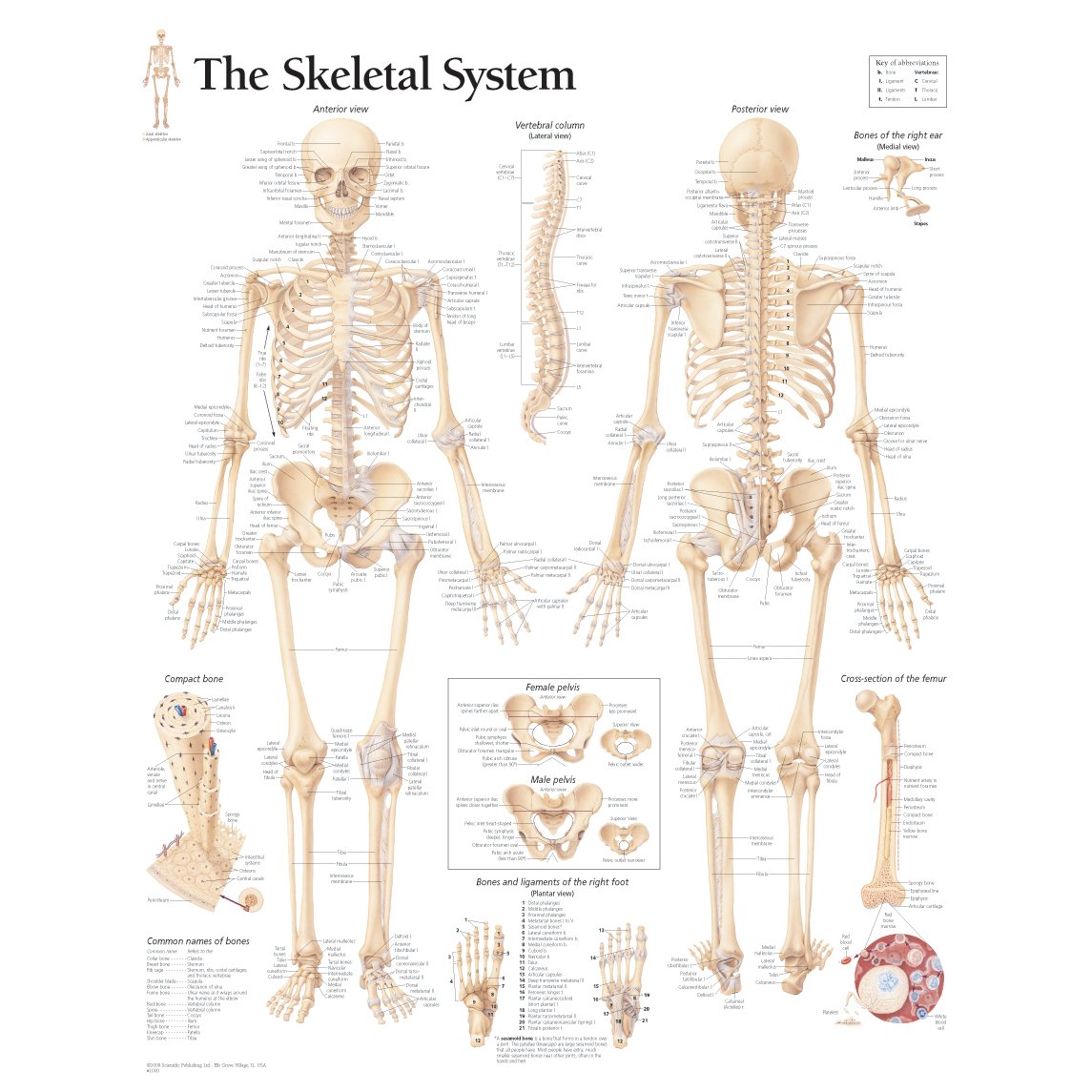
Labeled Human Skeletal System Anatomical Chart
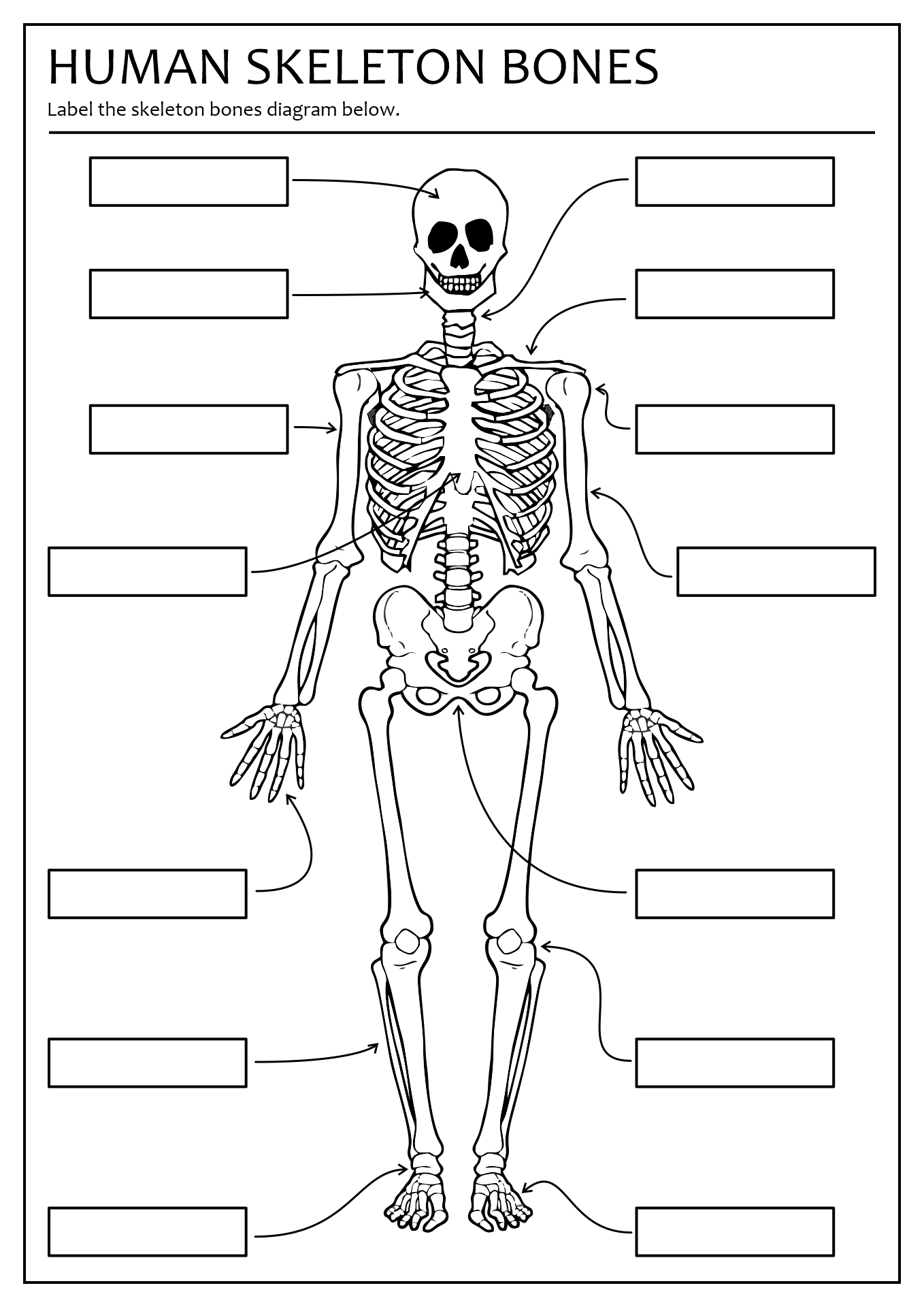
Skeletal System Bone Complete Chart
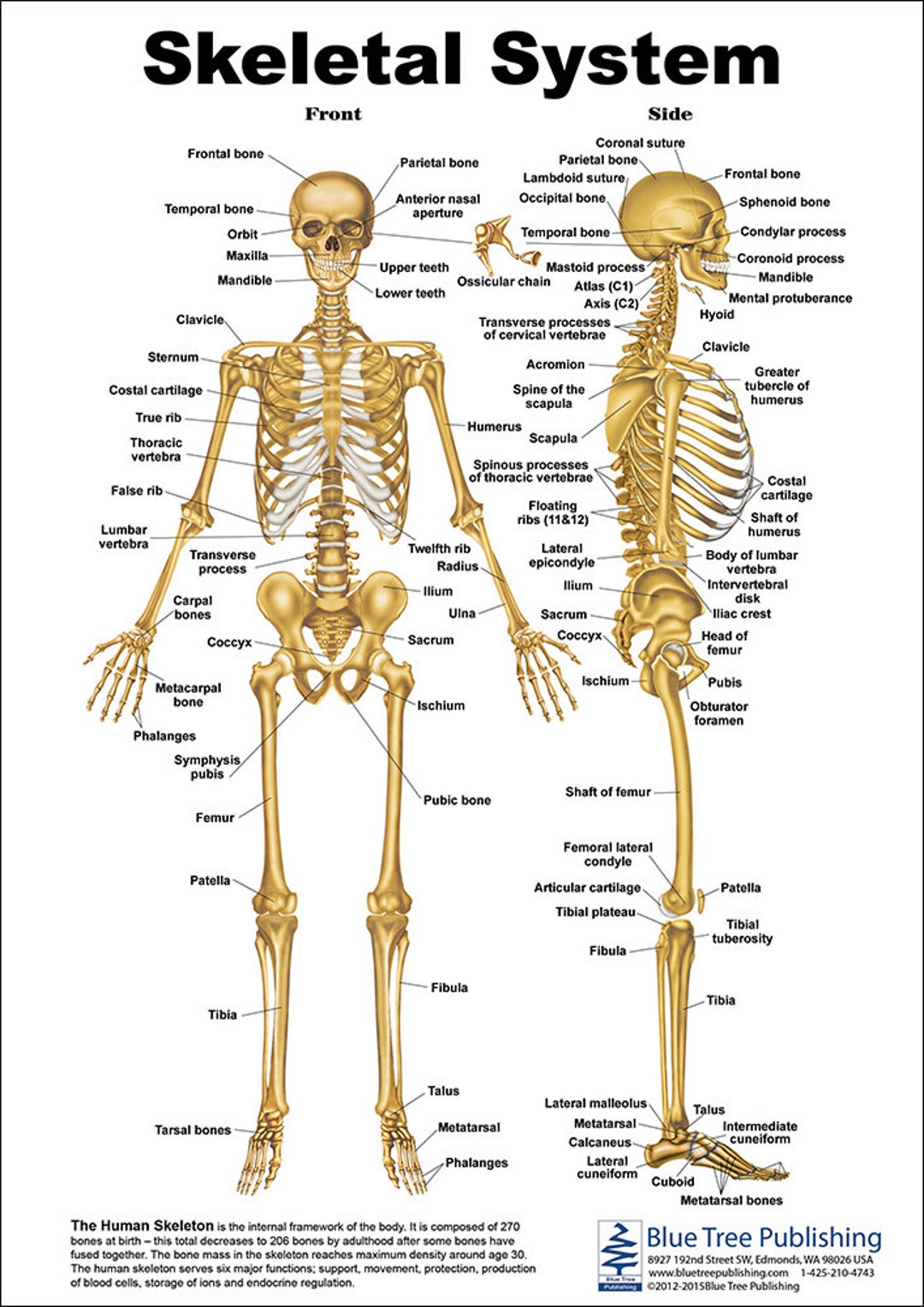
Skeletal System Anatomical Chart Etsy

The Human Skeleton All You Need to Know Skeleton system diagram
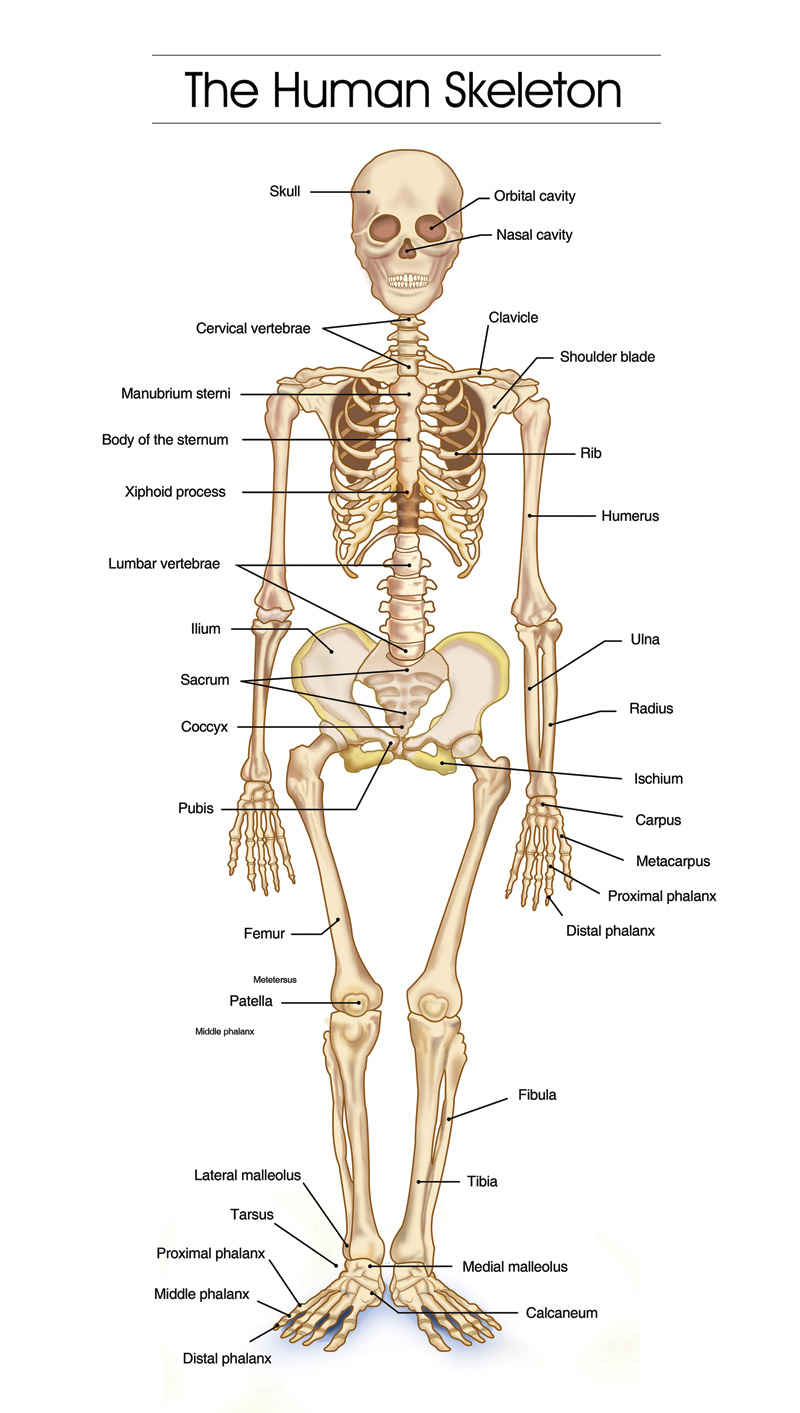
Human Skeletal System Diagram Health Images Reference
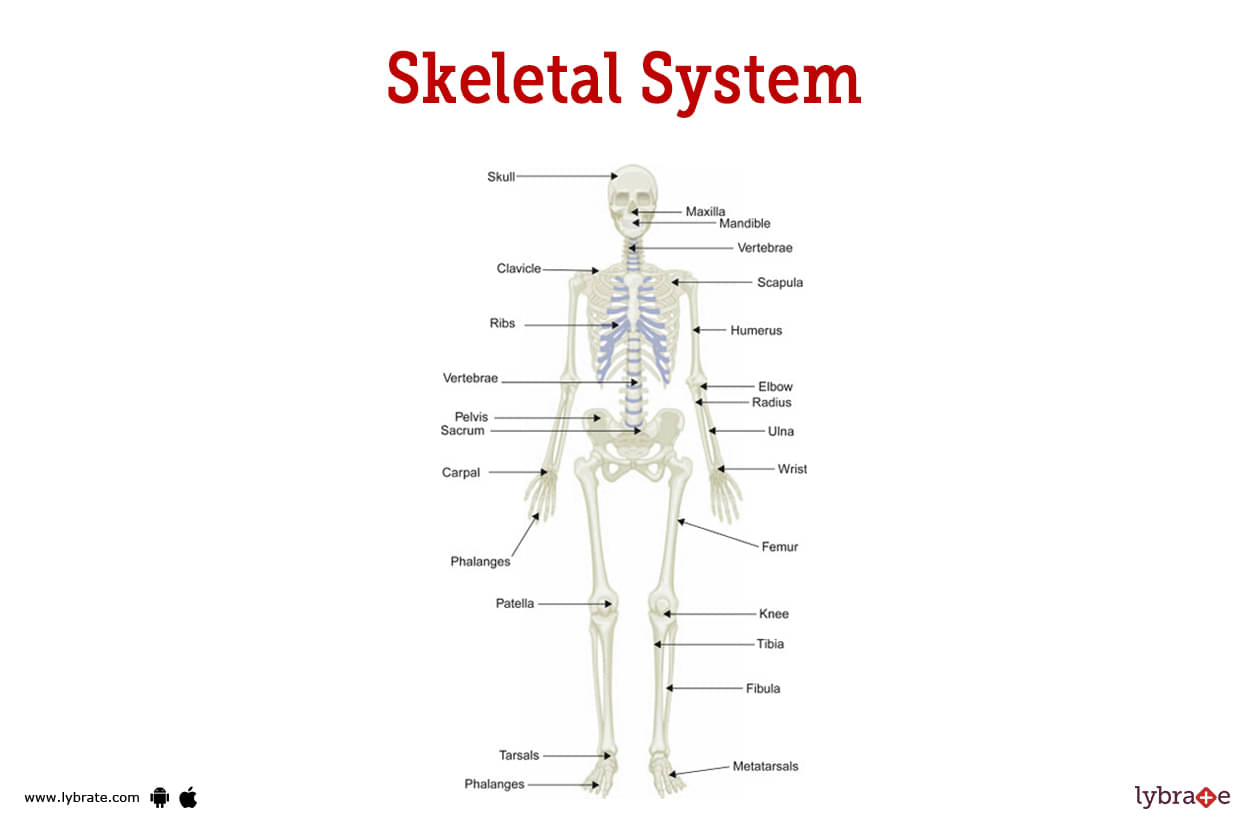
Detailed Skeletal System Printable

A Visual Guide to the Skeletal System Printable Diagram

Printable Skeletal System Diagram Printable And Enjoyable Learning

Free Printable Human Skeleton Diagram Easy Anatomy Printables for

Printable Human Skeleton Diagram Labeled, Unlabeled, and Blank

Skeletal System Skeletal system anatomy, Human skeletal system, Human

Printable Human Skeleton Labeled
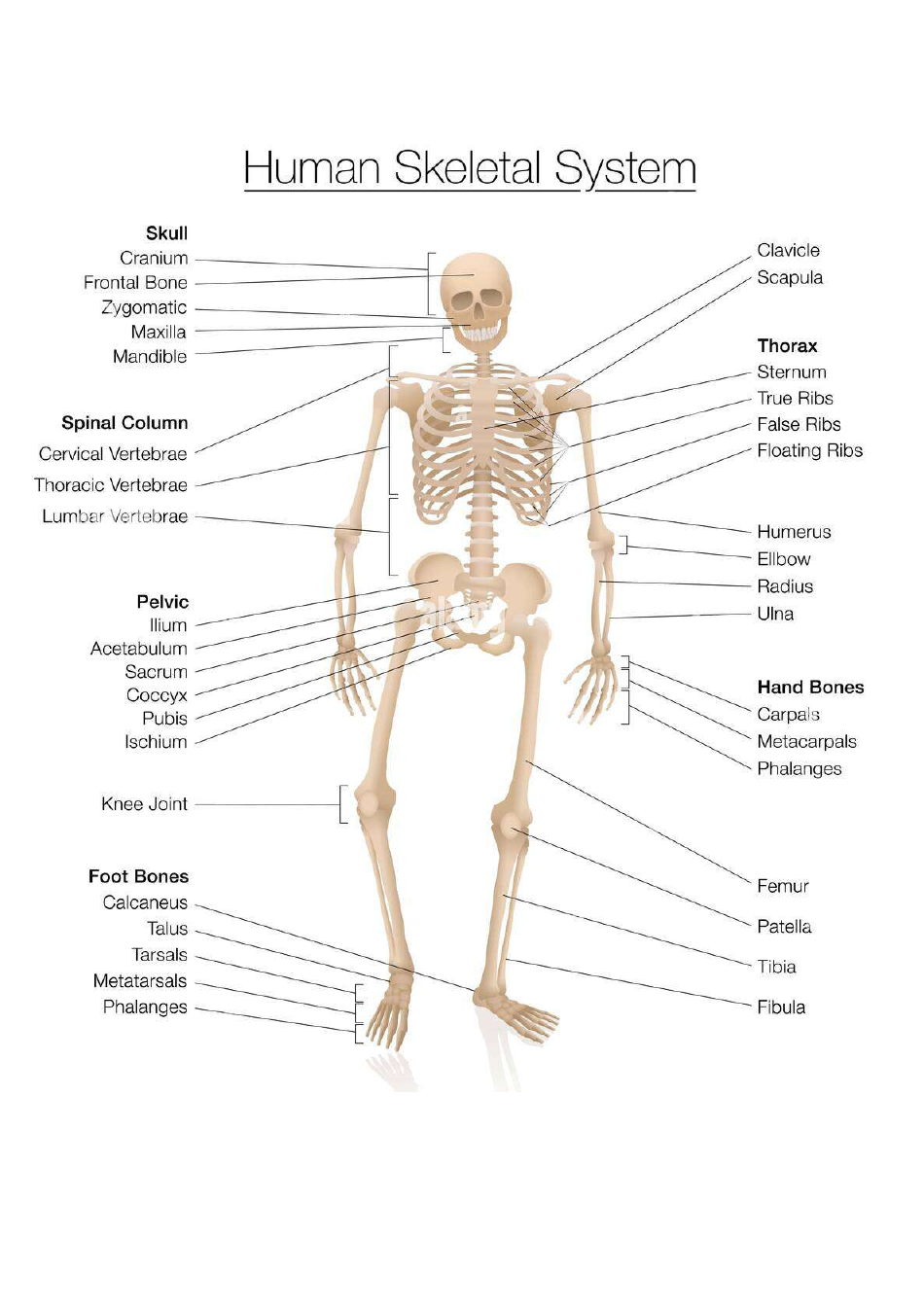
Skeleton Chart Template Human Skeletal System Download Printable PDF

Printable Human Skeleton Diagram Plan Your Year Easily!
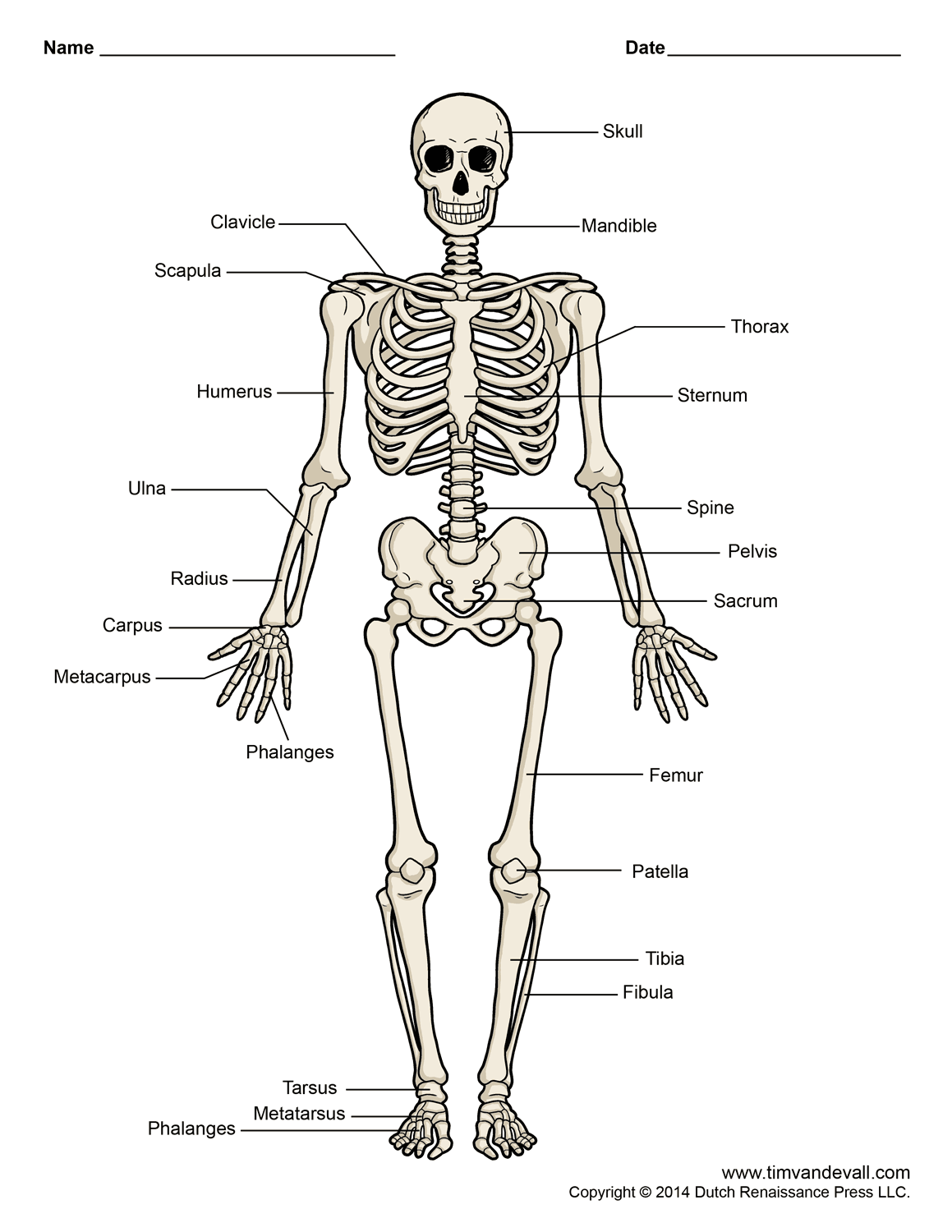
humanskeletondiagram Tim's Printables

Skeletal System Printable Worksheets

Skeletal System Anatomy & Physiology of Skeletal System PW

Printable Human Skeleton Labeled
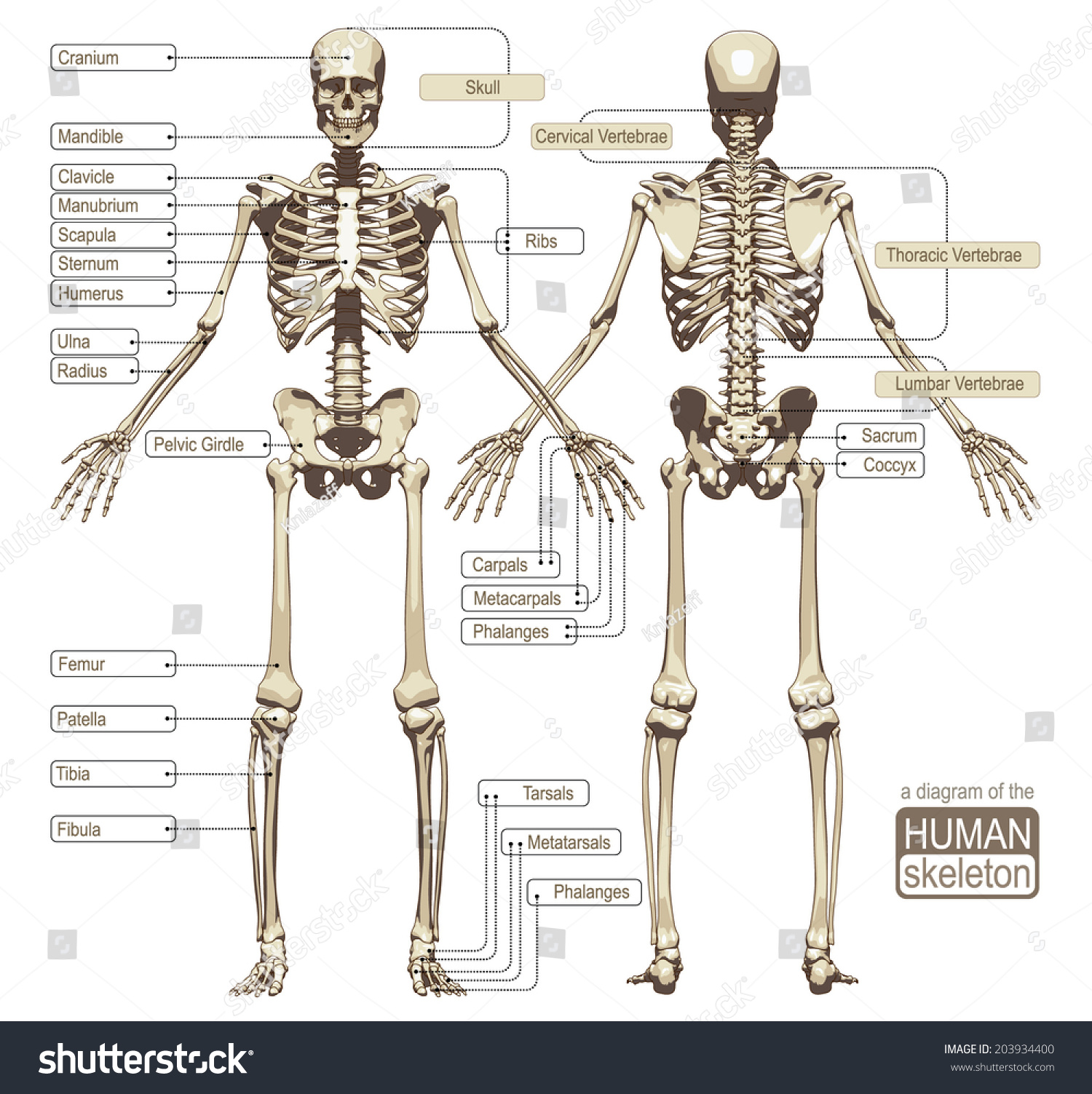
Human Skeleton Diagram
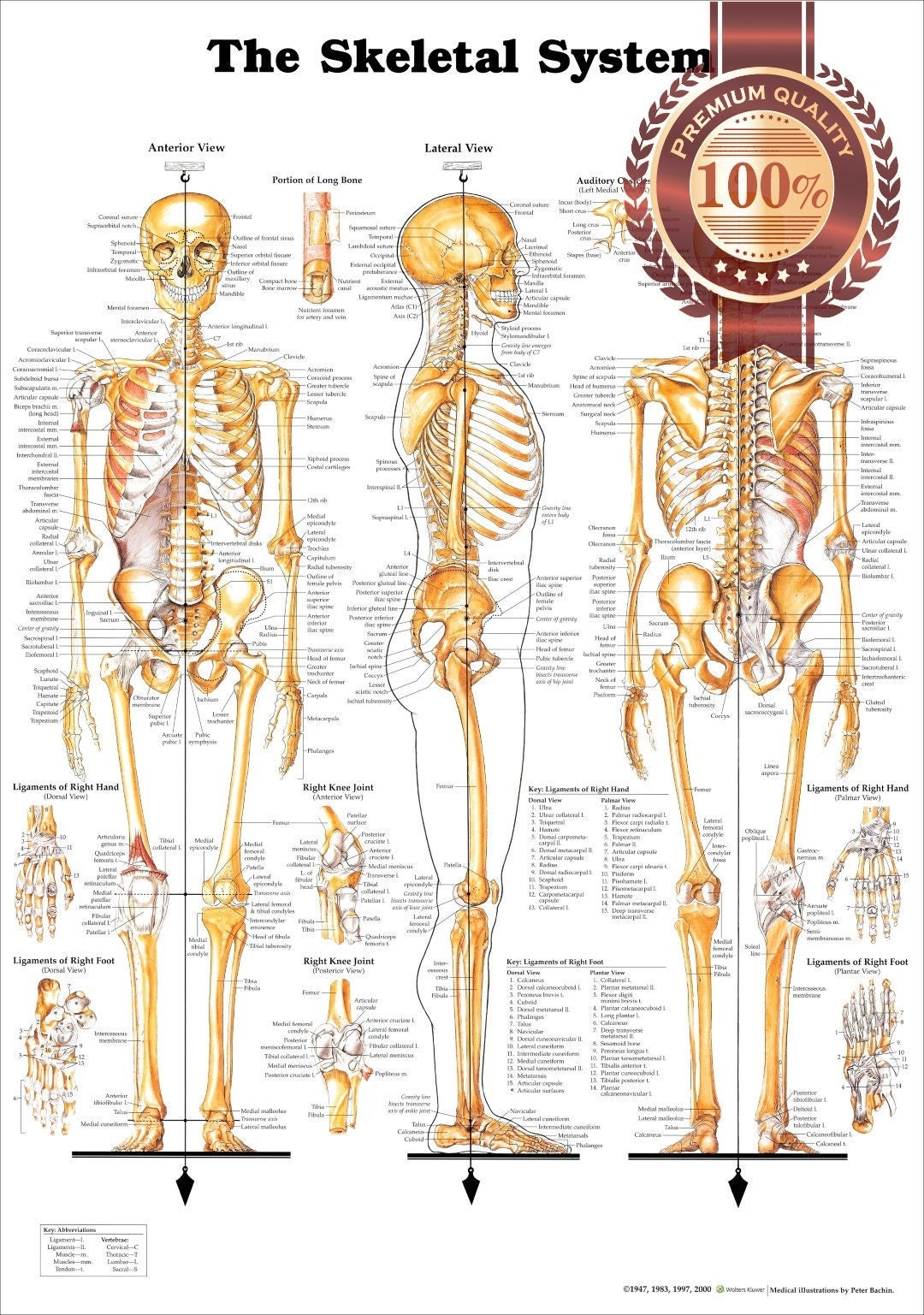
The Skeletal System 3 Views Premium Waterproof Tear Proof Poster
What Forms The Axial And Appendicular Skeleton?
There Are 12 Major Anatomy Systems:
Skeletal Elements Are Of Six Principal Types:
It Consists Of Approximately 270 Bones At Birth, Which Decreases To Around 206 Bones By Adulthood After Some Bones Fuse Together.
Related Post: