
Cutting Skills Printables
Cutting Skills Printables - Want to feel better without cutting or hurting yourself? Find out the causes, risk factors, and signs of cutting, what you can do if you discover a loved one is harming themselves, and where to turn for support. Most of us know about cutting — using a sharp object like a razorblade, knife, or scissors to make marks, cuts, or scratches on one's own body. Learn if cutting is addictive and possible treatment options. Cutting is often a coping mechanism that helps with negative emotions. Cutting, biting, abrading, severing, inserting, burning, ingesting or inhaling, hitting, and constricting. Gaining an understanding of why some children harm themselves by cutting their skin, what signs to be aware. One reason some people cut themselves is that they associate cutting with relief from emotional. Cutting often begins during the teenage years—on average, between the ages of 12 and 14. It's usually not meant as a suicide attempt. Most of us know about cutting — using a sharp object like a razorblade, knife, or scissors to make marks, cuts, or scratches on one's own body. Want to feel better without cutting or hurting yourself? Cutting, biting, abrading, severing, inserting, burning, ingesting or inhaling, hitting, and constricting. Cutting is often a coping mechanism that helps with negative emotions. Learn. Most of us know about cutting — using a sharp object like a razorblade, knife, or scissors to make marks, cuts, or scratches on one's own body. Cutting, biting, abrading, severing, inserting, burning, ingesting or inhaling, hitting, and constricting. Want to feel better without cutting or hurting yourself? Learn if cutting is addictive and possible treatment options. Cutting is often. Cutting is often a coping mechanism that helps with negative emotions. Cutting often begins during the teenage years—on average, between the ages of 12 and 14. Learn if cutting is addictive and possible treatment options. It's usually not meant as a suicide attempt. One reason some people cut themselves is that they associate cutting with relief from emotional. Want to feel better without cutting or hurting yourself? Cutting, biting, abrading, severing, inserting, burning, ingesting or inhaling, hitting, and constricting. It's usually not meant as a suicide attempt. Cutting often begins during the teenage years—on average, between the ages of 12 and 14. Find out the causes, risk factors, and signs of cutting, what you can do if you. Cutting is often a coping mechanism that helps with negative emotions. It's usually not meant as a suicide attempt. Gaining an understanding of why some children harm themselves by cutting their skin, what signs to be aware. One reason some people cut themselves is that they associate cutting with relief from emotional. Most of us know about cutting — using. Cutting often begins during the teenage years—on average, between the ages of 12 and 14. Cutting, biting, abrading, severing, inserting, burning, ingesting or inhaling, hitting, and constricting. Want to feel better without cutting or hurting yourself? Learn if cutting is addictive and possible treatment options. It's usually not meant as a suicide attempt. Want to feel better without cutting or hurting yourself? Gaining an understanding of why some children harm themselves by cutting their skin, what signs to be aware. Most of us know about cutting — using a sharp object like a razorblade, knife, or scissors to make marks, cuts, or scratches on one's own body. Find out the causes, risk factors,. Cutting often begins during the teenage years—on average, between the ages of 12 and 14. Find out the causes, risk factors, and signs of cutting, what you can do if you discover a loved one is harming themselves, and where to turn for support. Cutting, biting, abrading, severing, inserting, burning, ingesting or inhaling, hitting, and constricting. Learn if cutting is. Want to feel better without cutting or hurting yourself? Learn if cutting is addictive and possible treatment options. Most of us know about cutting — using a sharp object like a razorblade, knife, or scissors to make marks, cuts, or scratches on one's own body. Cutting, biting, abrading, severing, inserting, burning, ingesting or inhaling, hitting, and constricting. One reason some. Gaining an understanding of why some children harm themselves by cutting their skin, what signs to be aware. Cutting often begins during the teenage years—on average, between the ages of 12 and 14. One reason some people cut themselves is that they associate cutting with relief from emotional. Cutting is often a coping mechanism that helps with negative emotions. It's. It's usually not meant as a suicide attempt. Cutting, biting, abrading, severing, inserting, burning, ingesting or inhaling, hitting, and constricting. Cutting often begins during the teenage years—on average, between the ages of 12 and 14. Learn if cutting is addictive and possible treatment options. Most of us know about cutting — using a sharp object like a razorblade, knife, or. Want to feel better without cutting or hurting yourself? It's usually not meant as a suicide attempt. Cutting often begins during the teenage years—on average, between the ages of 12 and 14. Most of us know about cutting — using a sharp object like a razorblade, knife, or scissors to make marks, cuts, or scratches on one's own body. One. One reason some people cut themselves is that they associate cutting with relief from emotional. Cutting is often a coping mechanism that helps with negative emotions. Most of us know about cutting — using a sharp object like a razorblade, knife, or scissors to make marks, cuts, or scratches on one's own body. Cutting often begins during the teenage years—on. Most of us know about cutting — using a sharp object like a razorblade, knife, or scissors to make marks, cuts, or scratches on one's own body. Cutting is often a coping mechanism that helps with negative emotions. Gaining an understanding of why some children harm themselves by cutting their skin, what signs to be aware. Learn if cutting is. One reason some people cut themselves is that they associate cutting with relief from emotional. Gaining an understanding of why some children harm themselves by cutting their skin, what signs to be aware. It's usually not meant as a suicide attempt. Cutting, biting, abrading, severing, inserting, burning, ingesting or inhaling, hitting, and constricting. Cutting is often a coping mechanism that. Cutting often begins during the teenage years—on average, between the ages of 12 and 14. Cutting is often a coping mechanism that helps with negative emotions. Cutting, biting, abrading, severing, inserting, burning, ingesting or inhaling, hitting, and constricting. Want to feel better without cutting or hurting yourself? Learn if cutting is addictive and possible treatment options. Cutting, biting, abrading, severing, inserting, burning, ingesting or inhaling, hitting, and constricting. Most of us know about cutting — using a sharp object like a razorblade, knife, or scissors to make marks, cuts, or scratches on one's own body. Learn if cutting is addictive and possible treatment options. Gaining an understanding of why some children harm themselves by cutting their. Want to feel better without cutting or hurting yourself? Cutting is often a coping mechanism that helps with negative emotions. Cutting, biting, abrading, severing, inserting, burning, ingesting or inhaling, hitting, and constricting. Cutting often begins during the teenage years—on average, between the ages of 12 and 14. One reason some people cut themselves is that they associate cutting with relief. Gaining an understanding of why some children harm themselves by cutting their skin, what signs to be aware. It's usually not meant as a suicide attempt. Want to feel better without cutting or hurting yourself? Learn if cutting is addictive and possible treatment options. Find out the causes, risk factors, and signs of cutting, what you can do if you. Cutting often begins during the teenage years—on average, between the ages of 12 and 14. It's usually not meant as a suicide attempt. Most of us know about cutting — using a sharp object like a razorblade, knife, or scissors to make marks, cuts, or scratches on one's own body. One reason some people cut themselves is that they associate. Cutting, biting, abrading, severing, inserting, burning, ingesting or inhaling, hitting, and constricting. Find out the causes, risk factors, and signs of cutting, what you can do if you discover a loved one is harming themselves, and where to turn for support. Want to feel better without cutting or hurting yourself? Learn if cutting is addictive and possible treatment options. It's. Most of us know about cutting — using a sharp object like a razorblade, knife, or scissors to make marks, cuts, or scratches on one's own body. Cutting is often a coping mechanism that helps with negative emotions. One reason some people cut themselves is that they associate cutting with relief from emotional. Find out the causes, risk factors, and. Find out the causes, risk factors, and signs of cutting, what you can do if you discover a loved one is harming themselves, and where to turn for support. Gaining an understanding of why some children harm themselves by cutting their skin, what signs to be aware. Want to feel better without cutting or hurting yourself? One reason some people. Want to feel better without cutting or hurting yourself? Cutting often begins during the teenage years—on average, between the ages of 12 and 14. Gaining an understanding of why some children harm themselves by cutting their skin, what signs to be aware. Cutting is often a coping mechanism that helps with negative emotions. One reason some people cut themselves is. Find out the causes, risk factors, and signs of cutting, what you can do if you discover a loved one is harming themselves, and where to turn for support. Cutting is often a coping mechanism that helps with negative emotions. Want to feel better without cutting or hurting yourself? Cutting, biting, abrading, severing, inserting, burning, ingesting or inhaling, hitting, and. Find out the causes, risk factors, and signs of cutting, what you can do if you discover a loved one is harming themselves, and where to turn for support. Want to feel better without cutting or hurting yourself? Most of us know about cutting — using a sharp object like a razorblade, knife, or scissors to make marks, cuts, or. Gaining an understanding of why some children harm themselves by cutting their skin, what signs to be aware. Find out the causes, risk factors, and signs of cutting, what you can do if you discover a loved one is harming themselves, and where to turn for support. Want to feel better without cutting or hurting yourself? Cutting, biting, abrading, severing,. Cutting, biting, abrading, severing, inserting, burning, ingesting or inhaling, hitting, and constricting. Learn if cutting is addictive and possible treatment options. Most of us know about cutting — using a sharp object like a razorblade, knife, or scissors to make marks, cuts, or scratches on one's own body. Gaining an understanding of why some children harm themselves by cutting their. Most of us know about cutting — using a sharp object like a razorblade, knife, or scissors to make marks, cuts, or scratches on one's own body. Learn if cutting is addictive and possible treatment options. Cutting is often a coping mechanism that helps with negative emotions. Want to feel better without cutting or hurting yourself? Cutting, biting, abrading, severing,. Cutting is often a coping mechanism that helps with negative emotions. Learn if cutting is addictive and possible treatment options. Cutting often begins during the teenage years—on average, between the ages of 12 and 14. Cutting, biting, abrading, severing, inserting, burning, ingesting or inhaling, hitting, and constricting. One reason some people cut themselves is that they associate cutting with relief. It's usually not meant as a suicide attempt. Cutting often begins during the teenage years—on average, between the ages of 12 and 14. Find out the causes, risk factors, and signs of cutting, what you can do if you discover a loved one is harming themselves, and where to turn for support. Want to feel better without cutting or hurting. Gaining an understanding of why some children harm themselves by cutting their skin, what signs to be aware. One reason some people cut themselves is that they associate cutting with relief from emotional. Find out the causes, risk factors, and signs of cutting, what you can do if you discover a loved one is harming themselves, and where to turn. It's usually not meant as a suicide attempt. Gaining an understanding of why some children harm themselves by cutting their skin, what signs to be aware. Learn if cutting is addictive and possible treatment options. Cutting, biting, abrading, severing, inserting, burning, ingesting or inhaling, hitting, and constricting. Want to feel better without cutting or hurting yourself? Most of us know about cutting — using a sharp object like a razorblade, knife, or scissors to make marks, cuts, or scratches on one's own body. One reason some people cut themselves is that they associate cutting with relief from emotional. Cutting is often a coping mechanism that helps with negative emotions. Cutting often begins during the teenage years—on. Most of us know about cutting — using a sharp object like a razorblade, knife, or scissors to make marks, cuts, or scratches on one's own body. One reason some people cut themselves is that they associate cutting with relief from emotional. Cutting, biting, abrading, severing, inserting, burning, ingesting or inhaling, hitting, and constricting. Cutting is often a coping mechanism. Cutting, biting, abrading, severing, inserting, burning, ingesting or inhaling, hitting, and constricting. Find out the causes, risk factors, and signs of cutting, what you can do if you discover a loved one is harming themselves, and where to turn for support. It's usually not meant as a suicide attempt. Cutting often begins during the teenage years—on average, between the ages of 12 and 14. Gaining an understanding of why some children harm themselves by cutting their skin, what signs to be aware. Cutting is often a coping mechanism that helps with negative emotions. Want to feel better without cutting or hurting yourself? Learn if cutting is addictive and possible treatment options.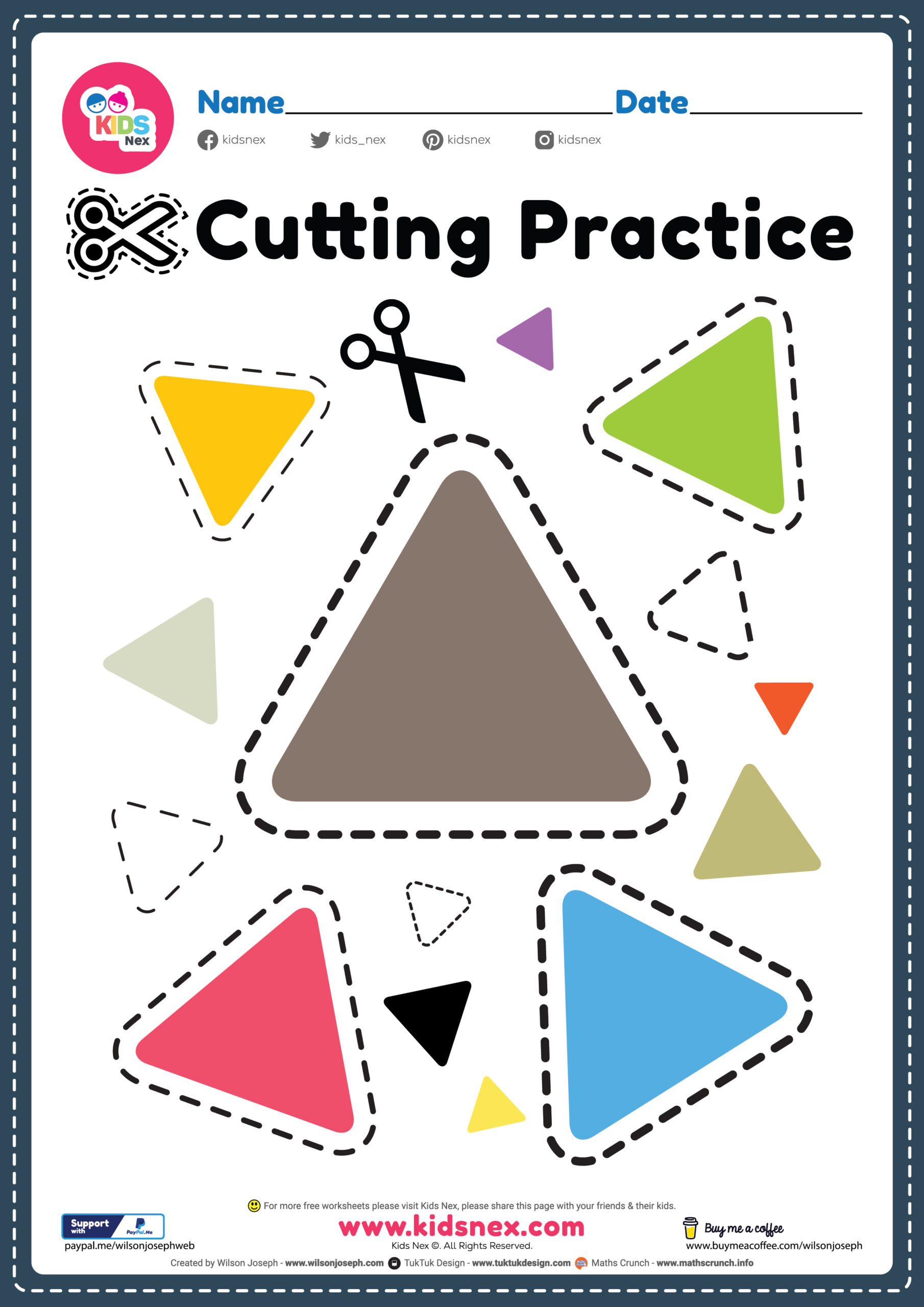
Scissor Practice Printables

9 Easy Scissor Skills Printable Worksheets for Preschool A Crafty Life

Scissor Skills Printable Plan Your Year Easily!
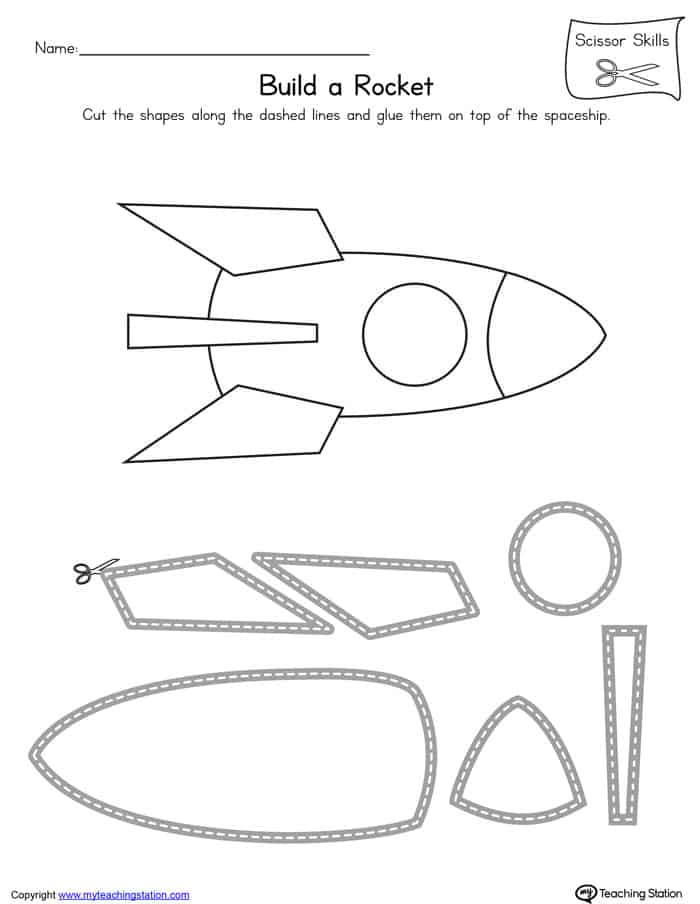
9 Easy Scissor Skills Printable Worksheets for Preschool A Crafty Life
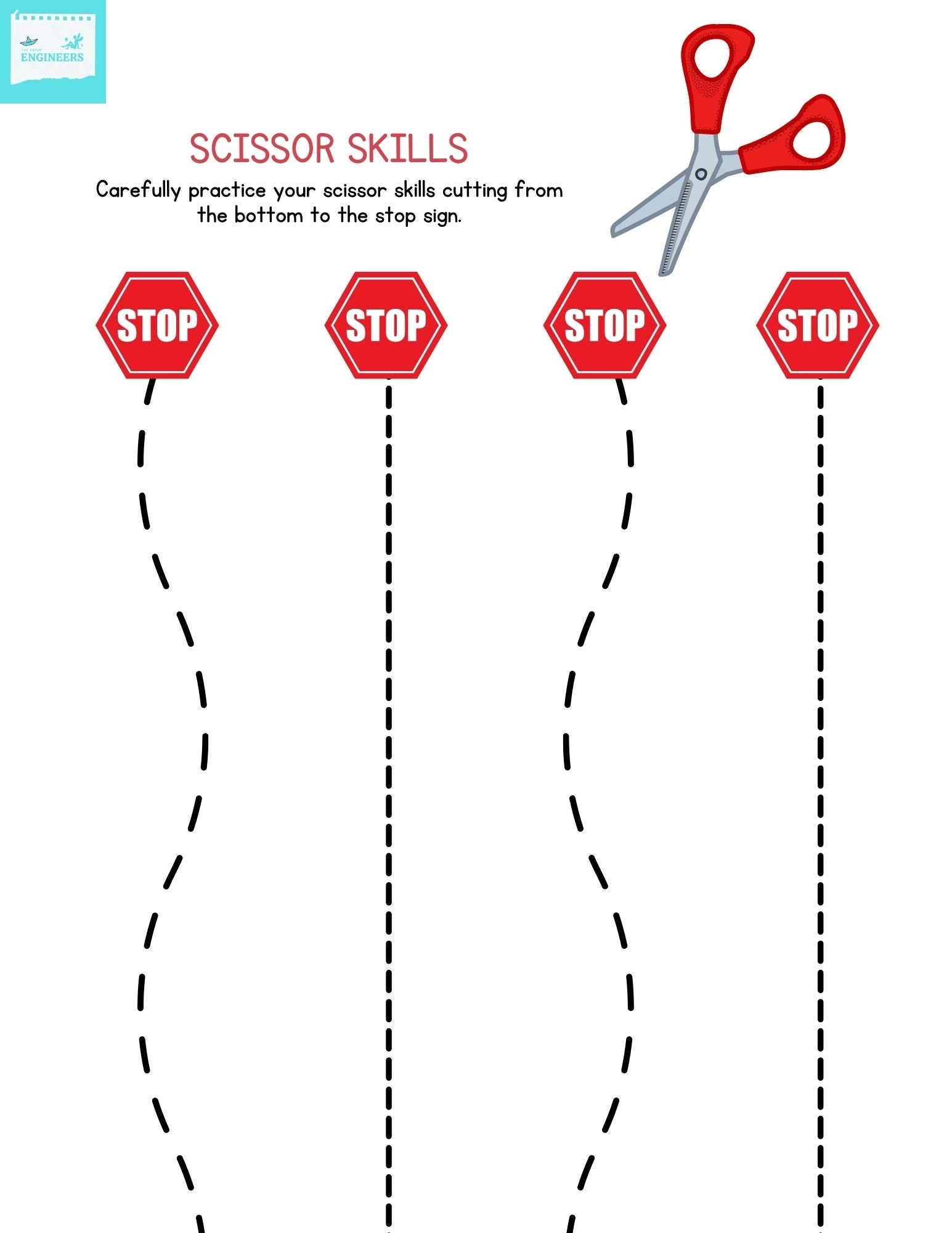
Cutting Skills Printables
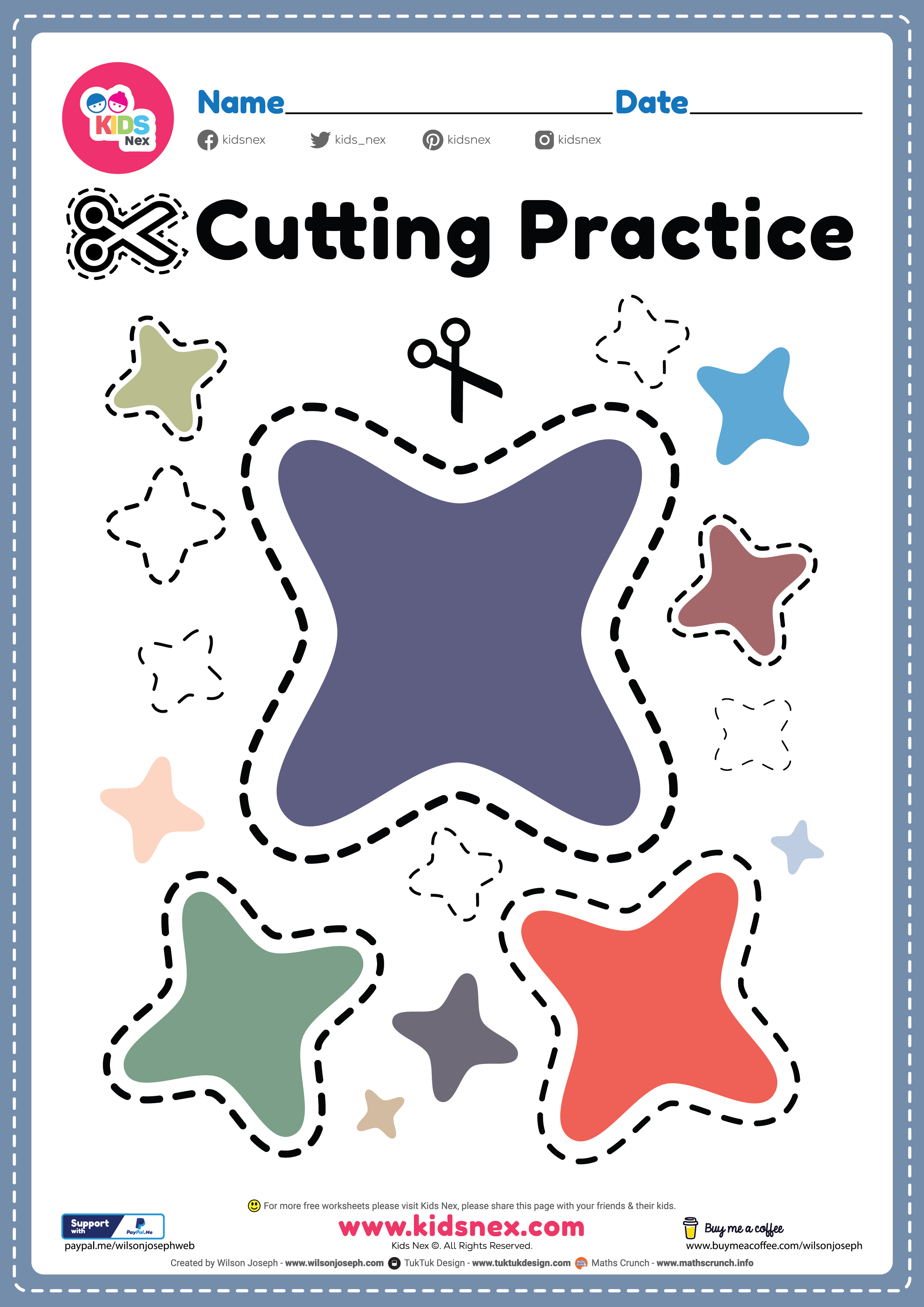
Improve Your Child's Fine Motor Skills with Scissor Skills Free
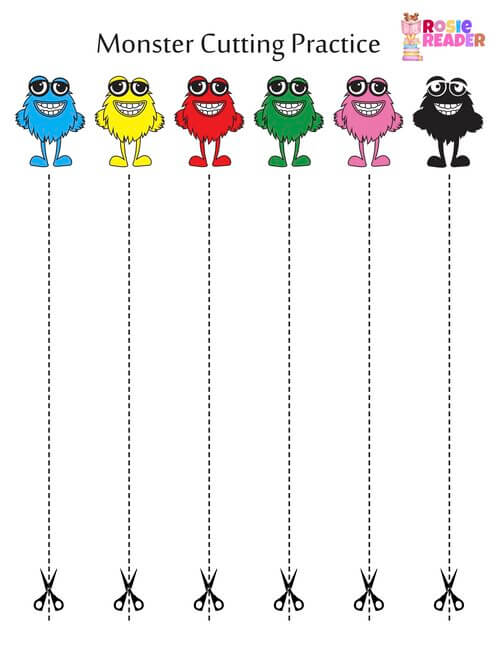
Scissor Skills Worksheet with Monsters Reading adventures for kids
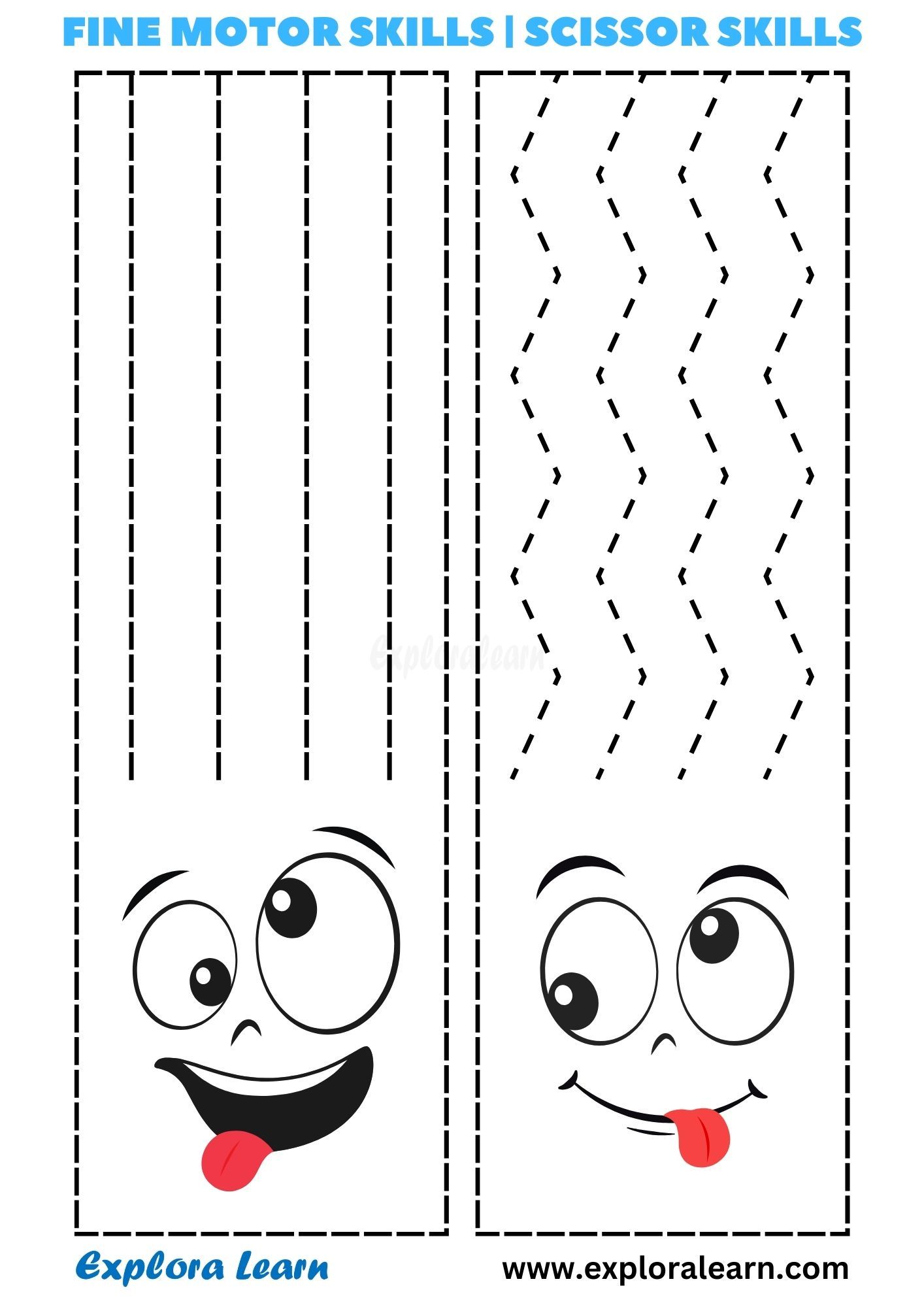
Scissor Skills Worksheets Cutting Practice Worksheets For Kids Free

9 Easy Scissor Skills Printable Worksheets for Preschool A Crafty Life

The Science of Scissor Skills Your Therapy Source

Improve Scissor Skills with Fun Worksheets Learning to cut
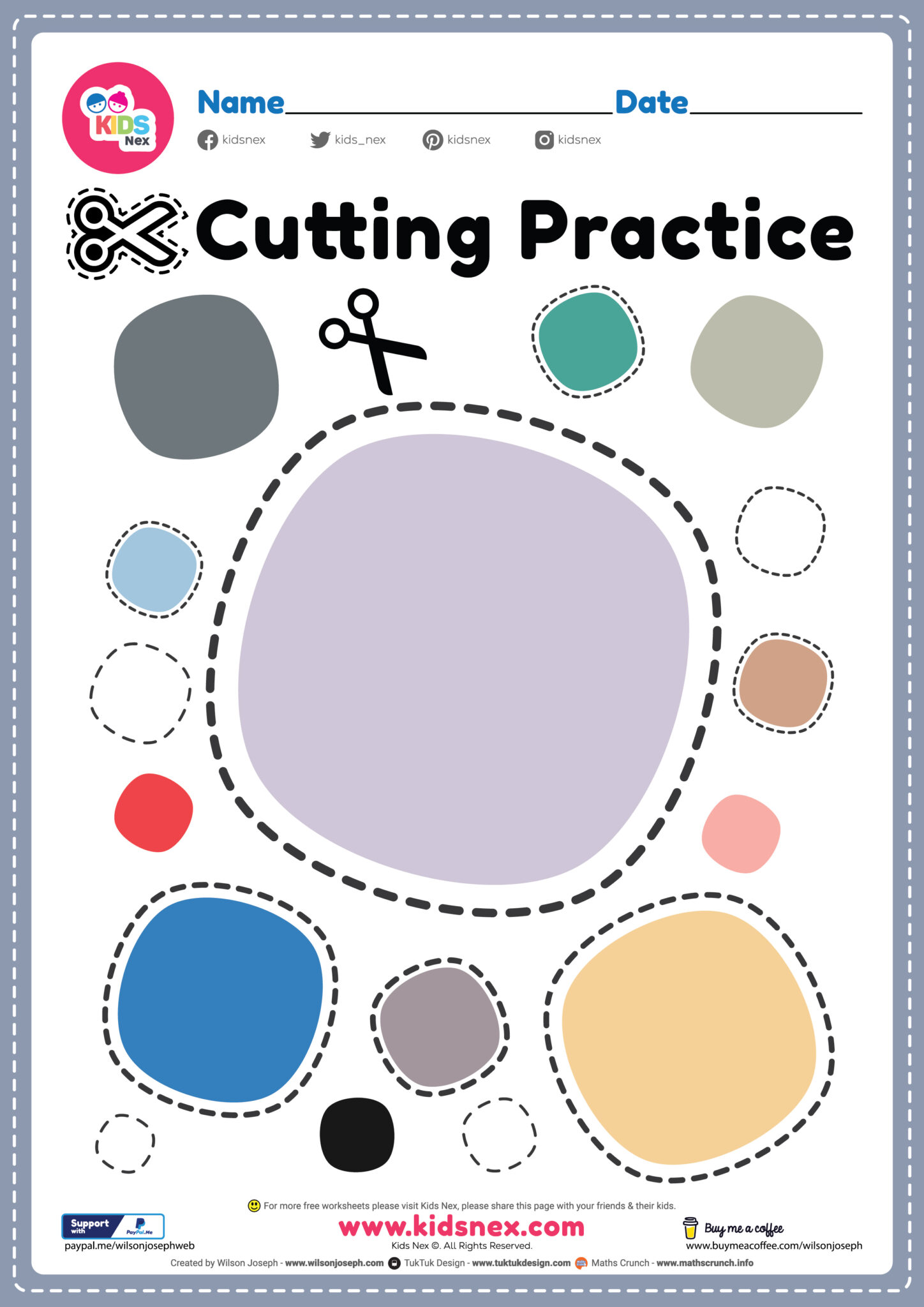
Scissors Skills for Preschoolers Free Printable PDF
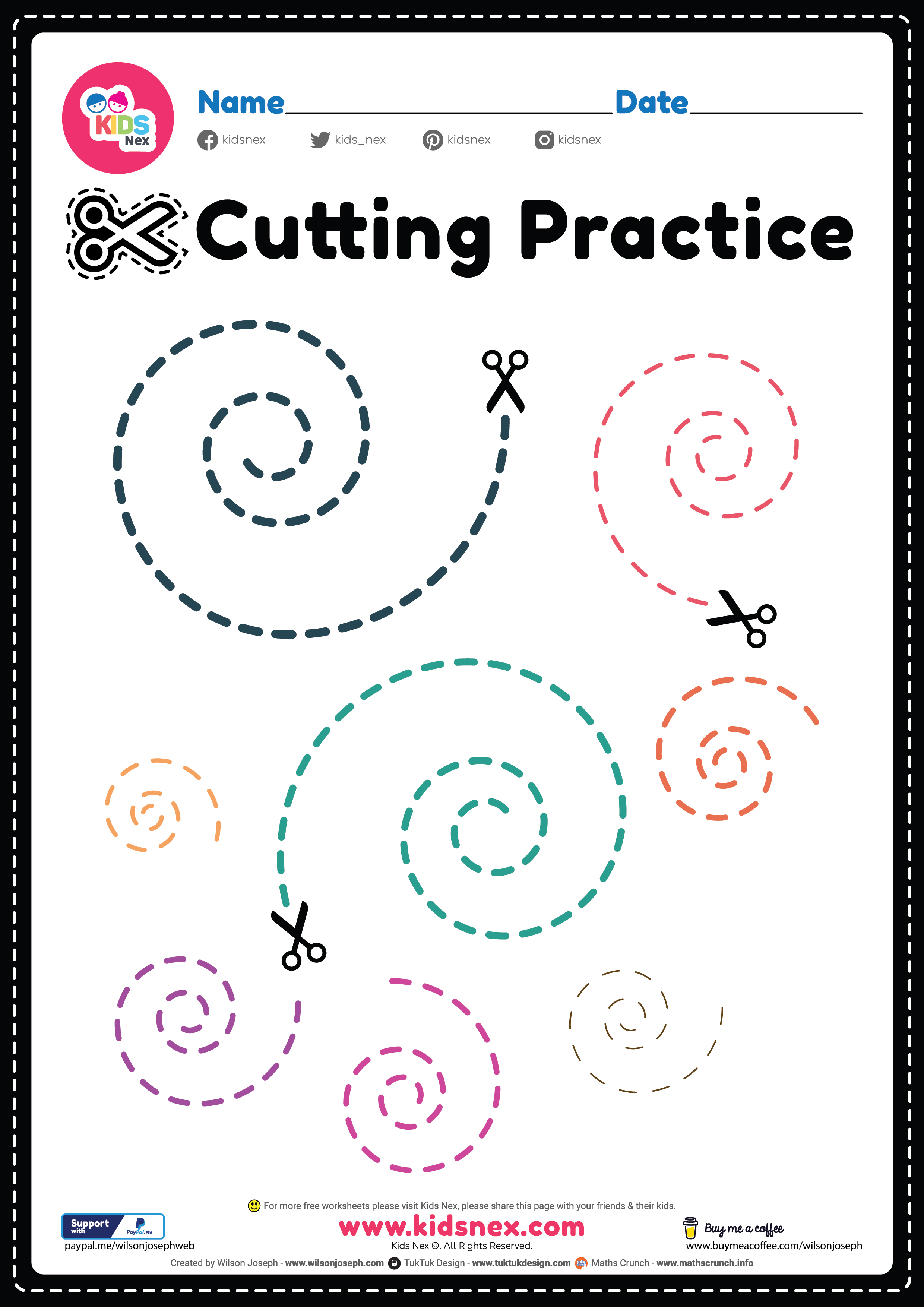
Printable Scissor Skills
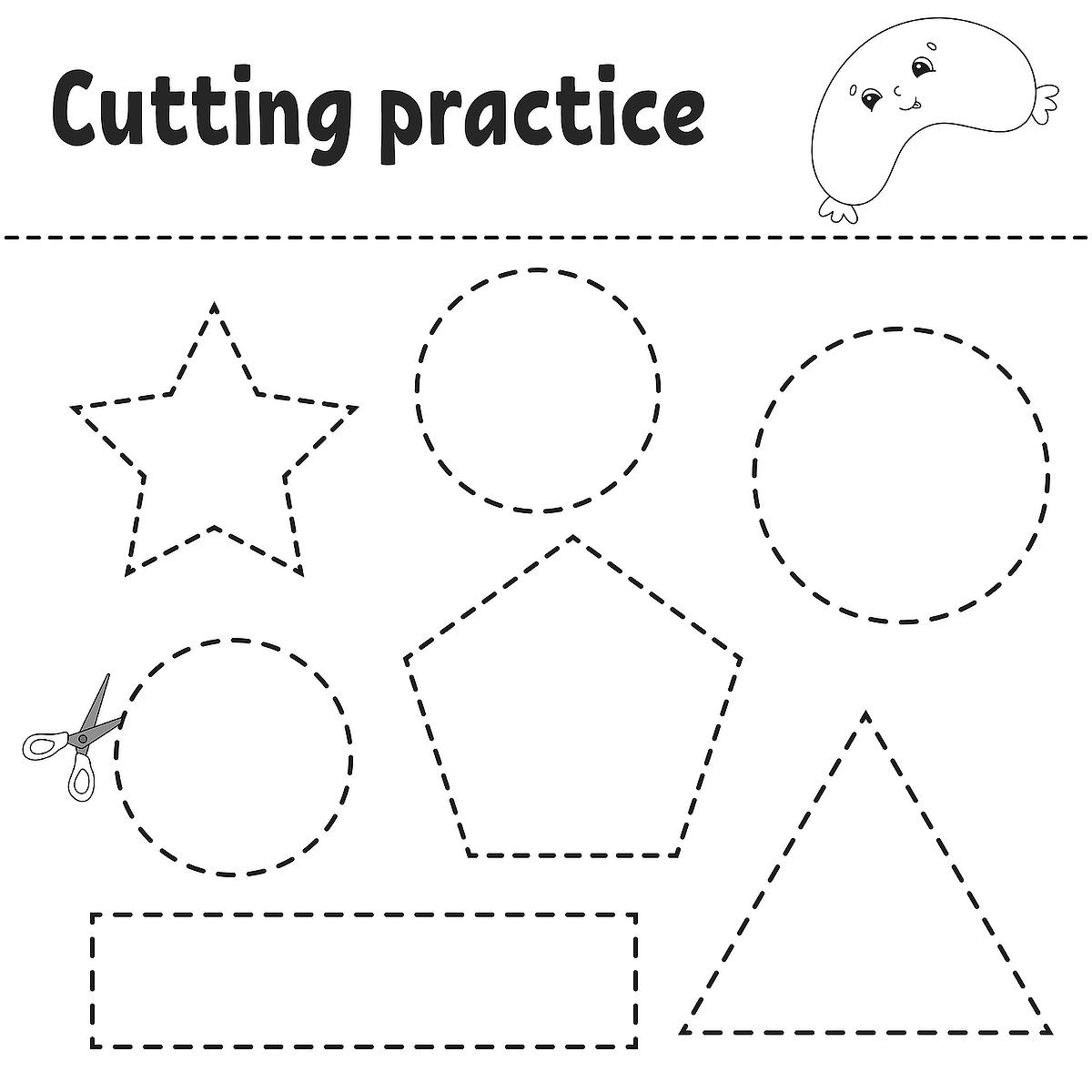
Fun Cutting Practice Worksheets to Build Scissor Skills Worksheets
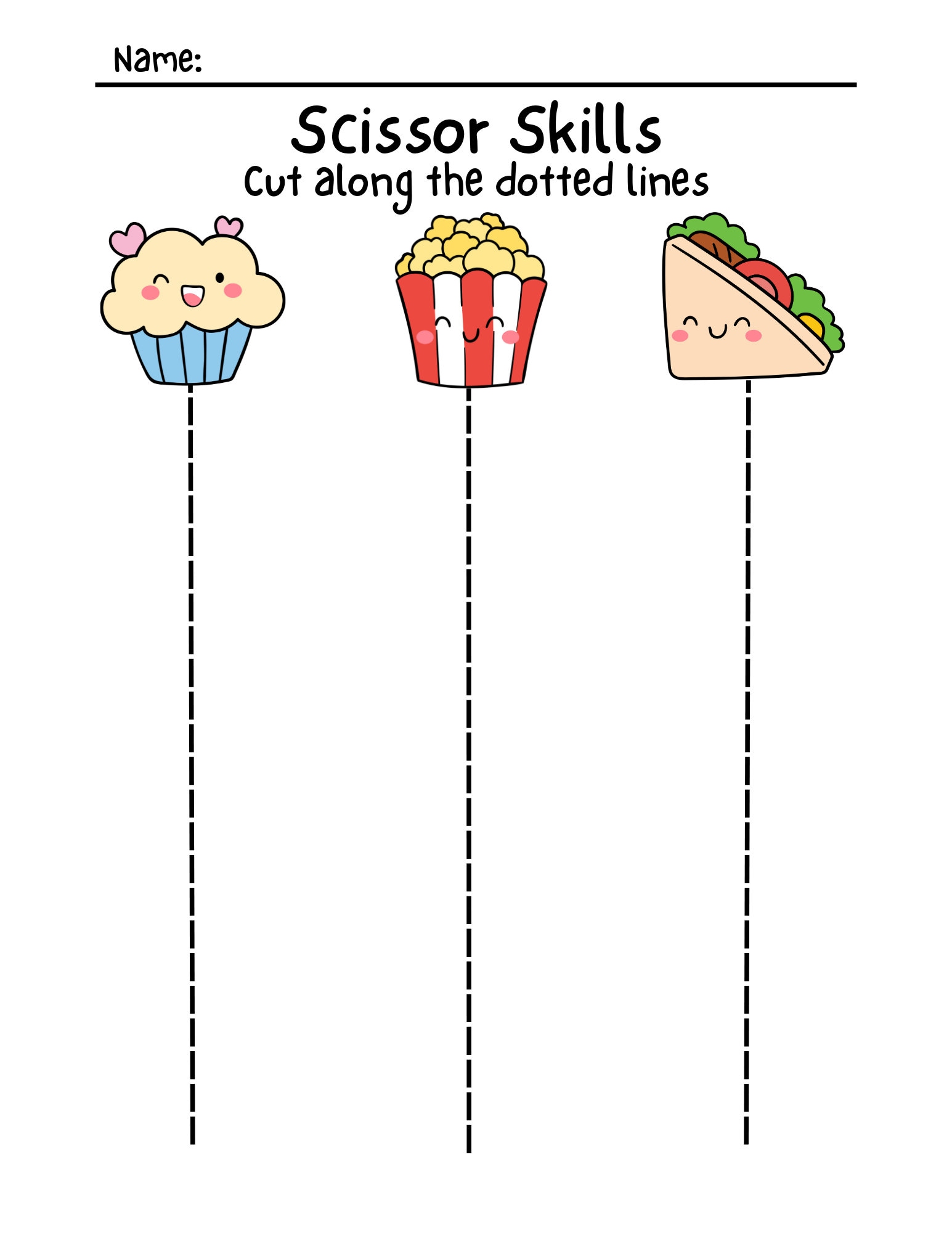
Scissor Skills Worksheet, Cutting Practice, Scissor Skills Printable
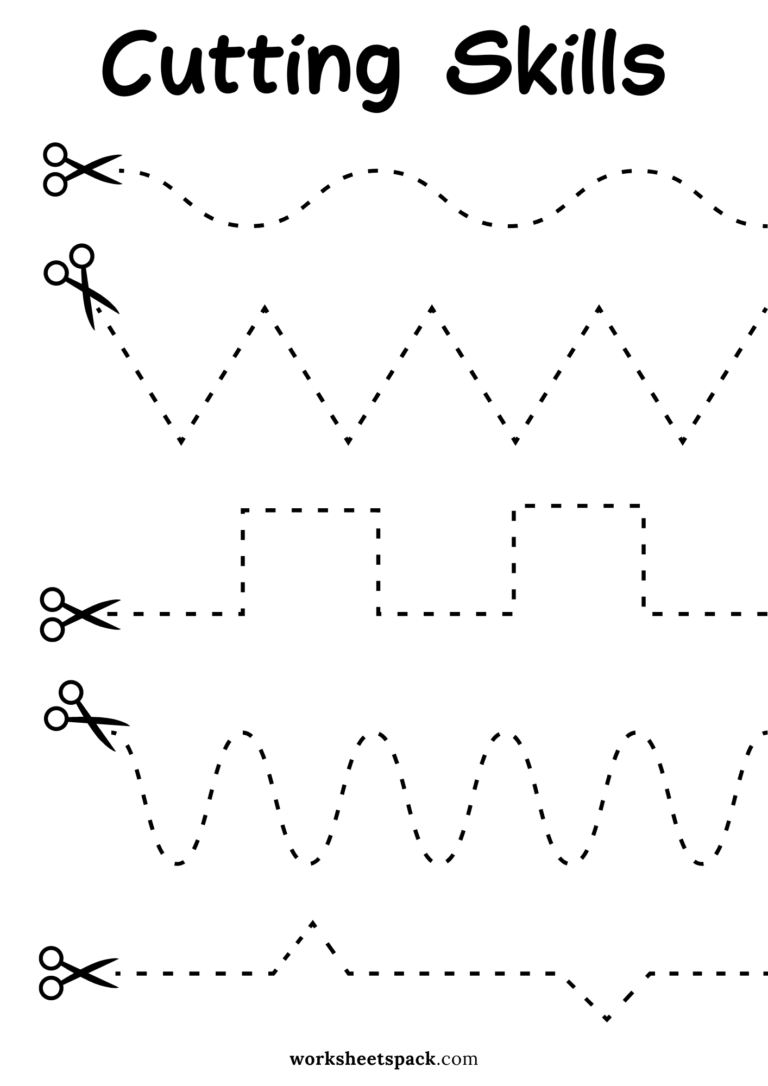
Free Scissor Skills Worksheets for Preschool worksheetspack
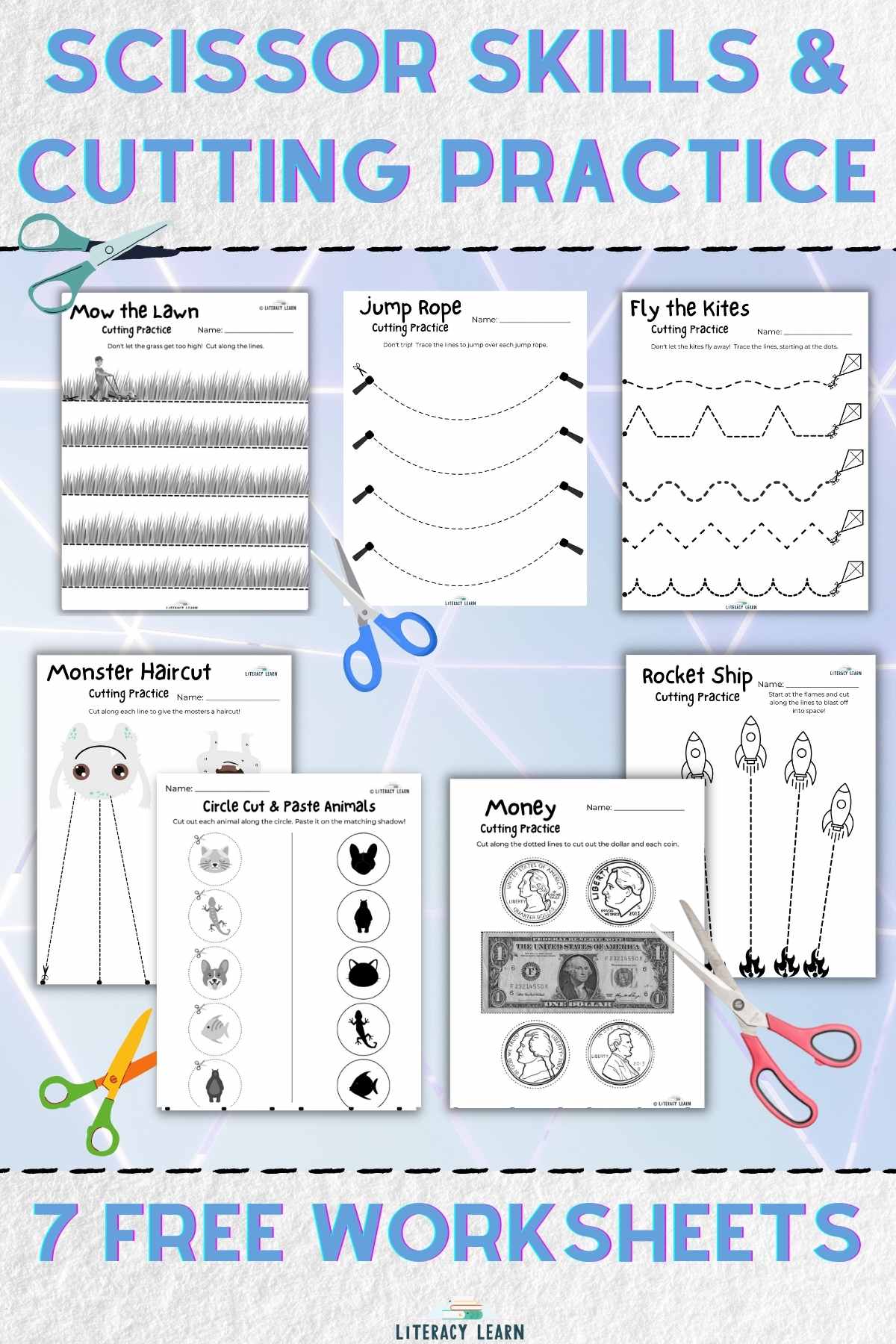
Scissor Skills & Cutting Practice 8 Free Printables Literacy Learn

Cutting Skills Printable Worksheets Plan Your Year Easily!
Scissor Skills Printables
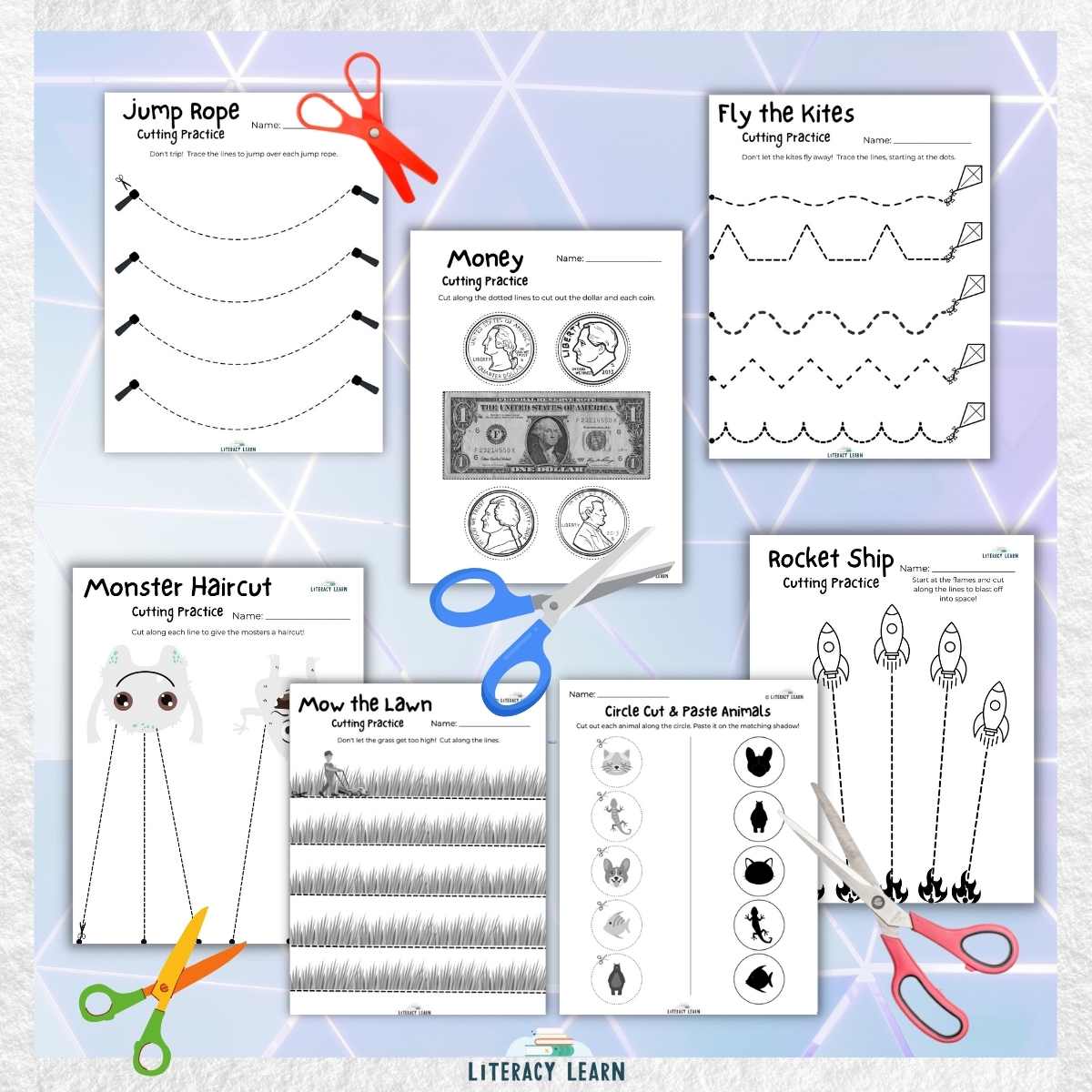
Scissor Skills & Cutting Practice 8 Free Printables Literacy Learn

Scissor Skills Cutting Practice Summer For Kids Made By Teachers

Free Scissor Skills Worksheets for Preschool worksheetspack
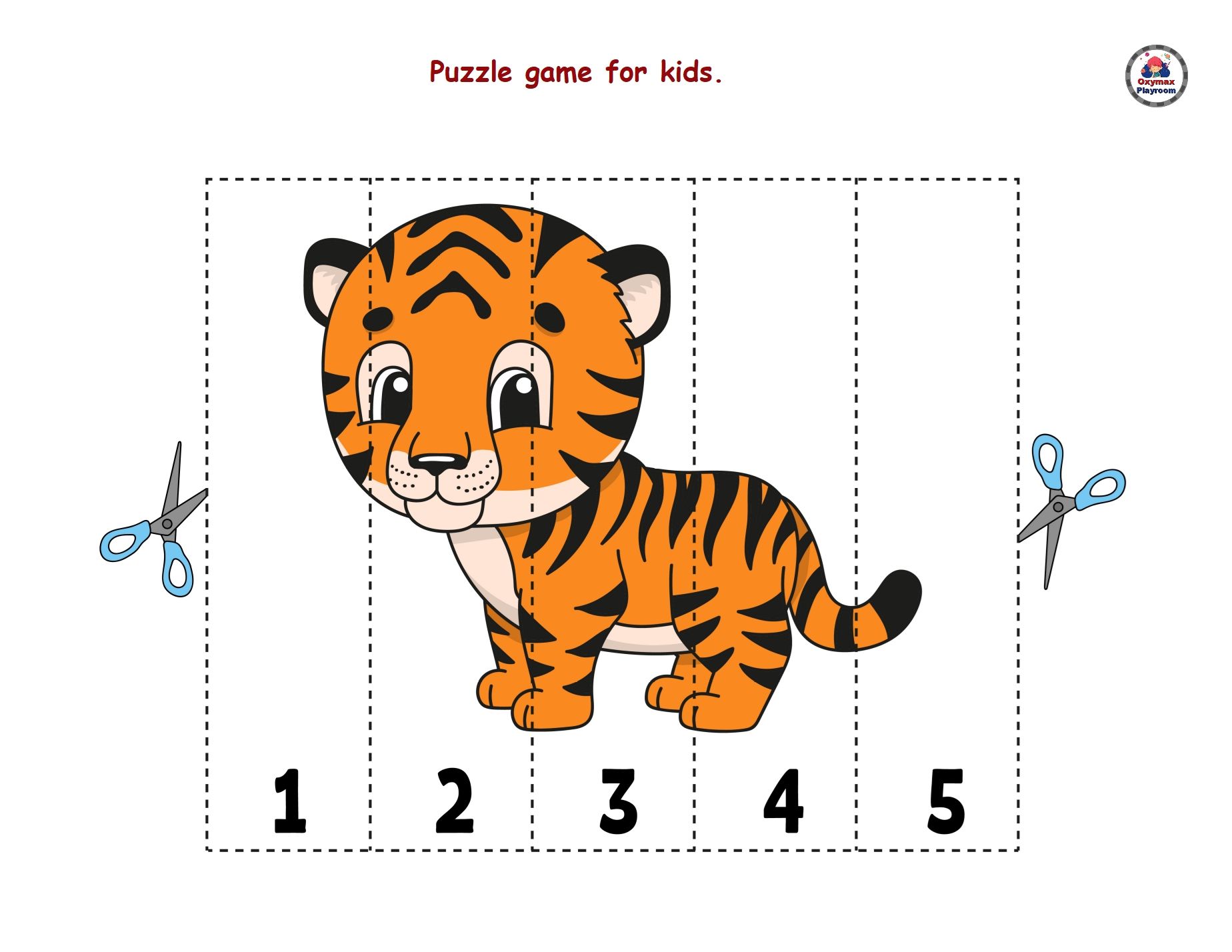
Printable Scissor Skills
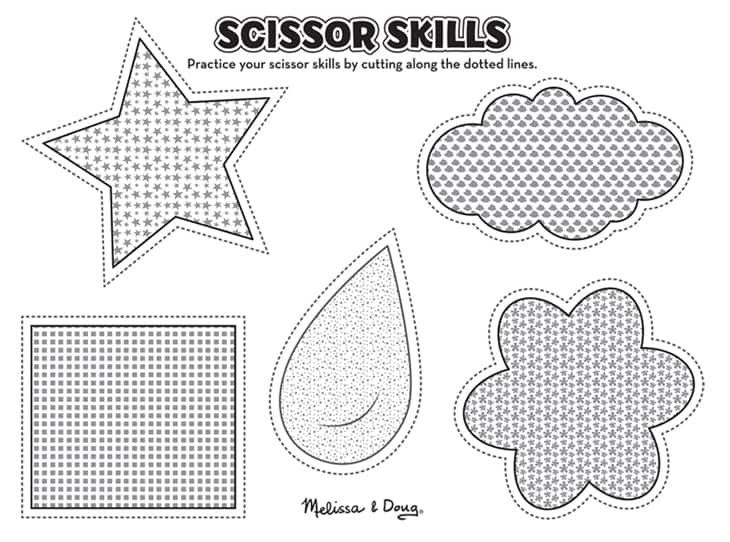
9 Easy Scissor Skills Printable Worksheets for Preschool A Crafty Life

Scissor Skills Cutting Practice Free Printable Made By Teachers
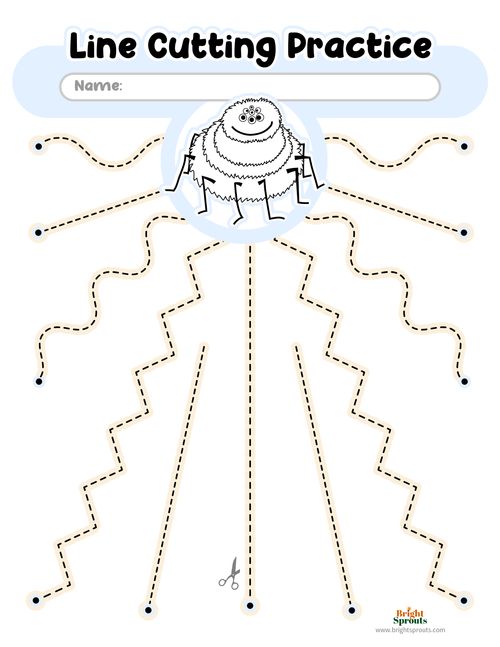
Fun Cutting Practice Worksheets to Build Scissor Skills Worksheets
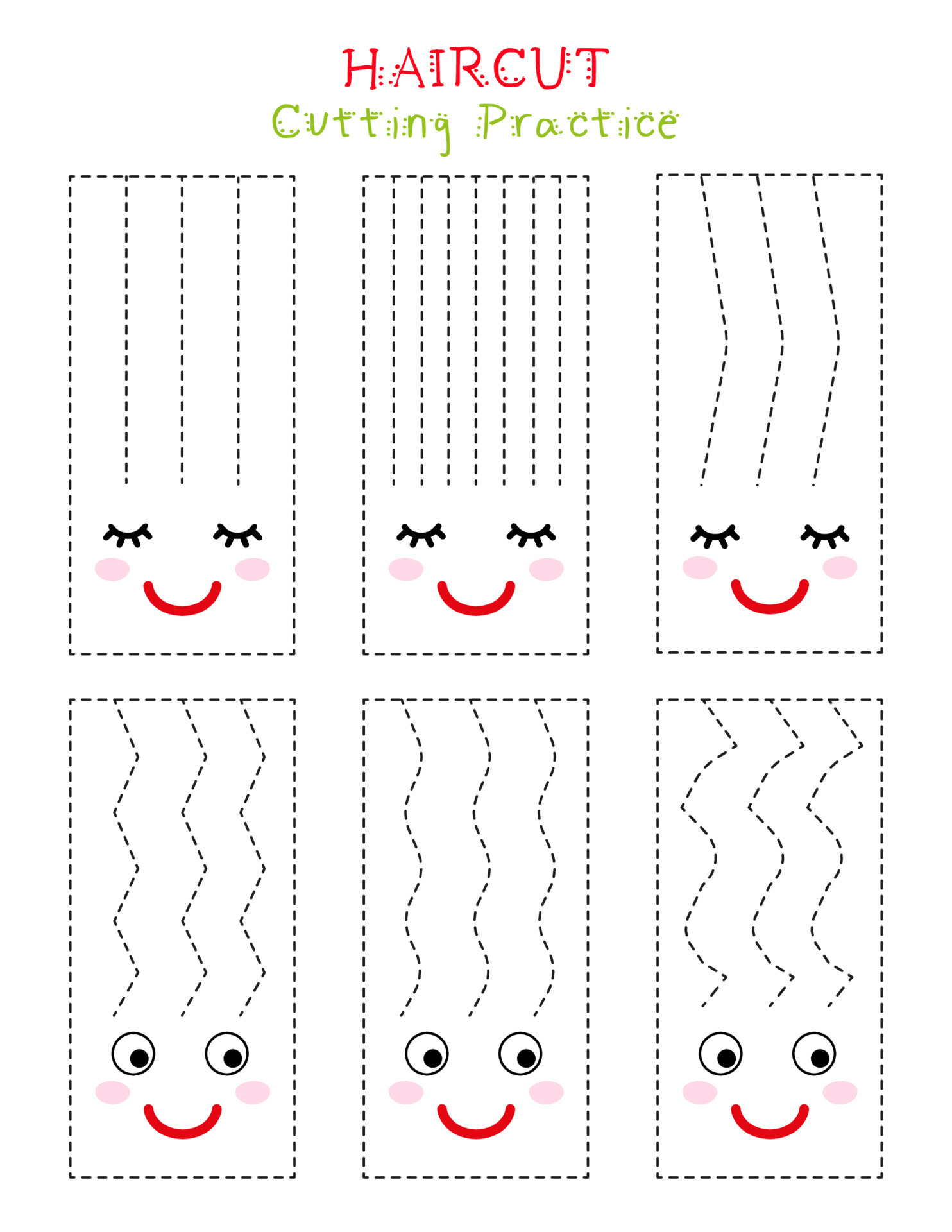
Cutting With Scissors Practice Sheets at Harold Case blog
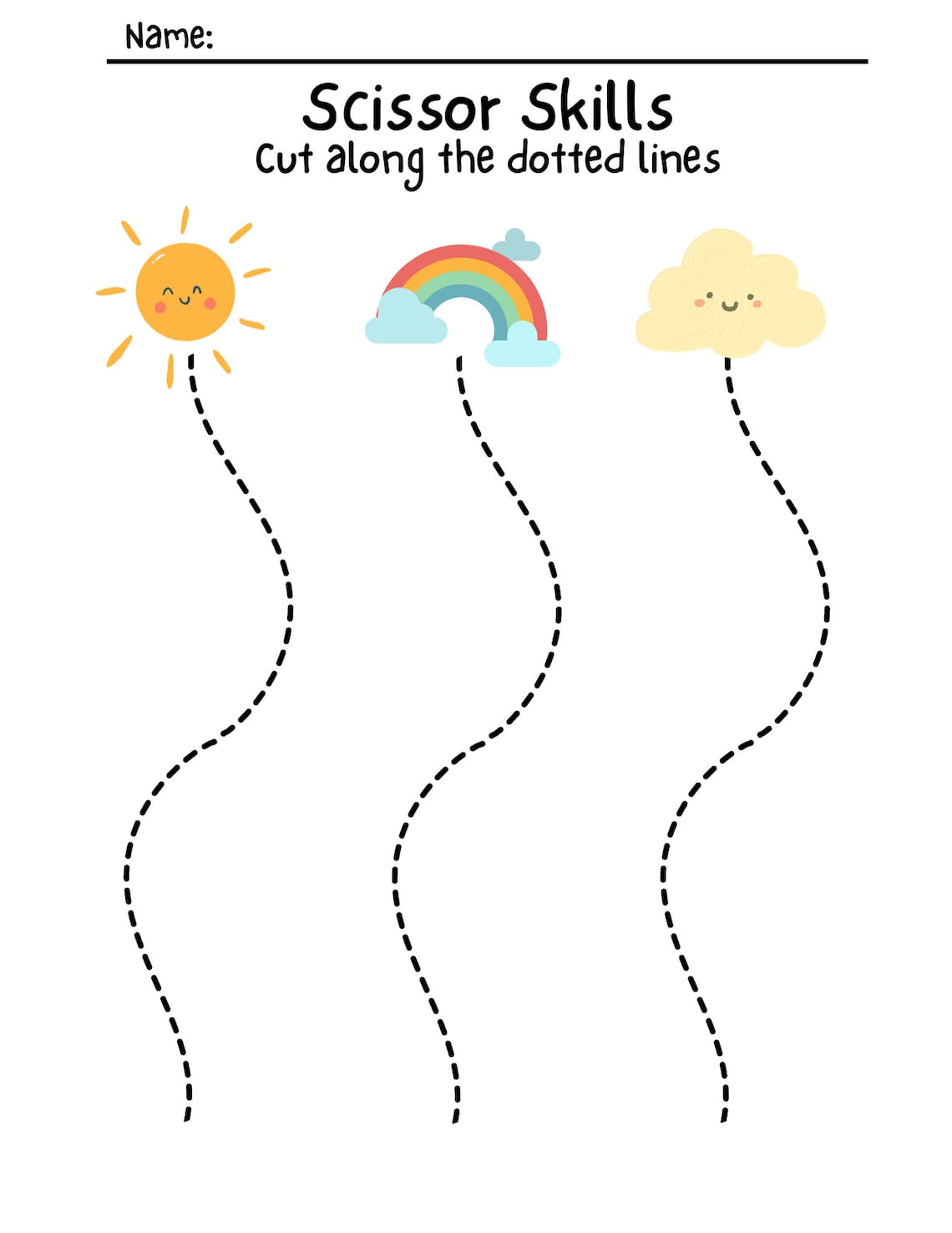
Scissor Skills Worksheet, Cutting Practice, Scissor Skills Printable

10 Free Printable Scissor Skills Worksheets The Ultimate Cutting
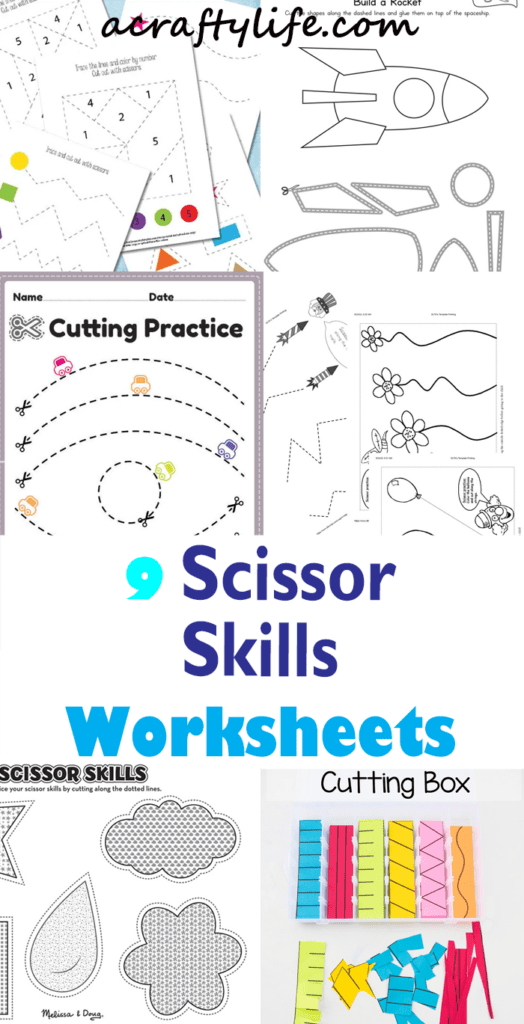
9 Easy Scissor Skills Printable Worksheets for Preschool A Crafty Life
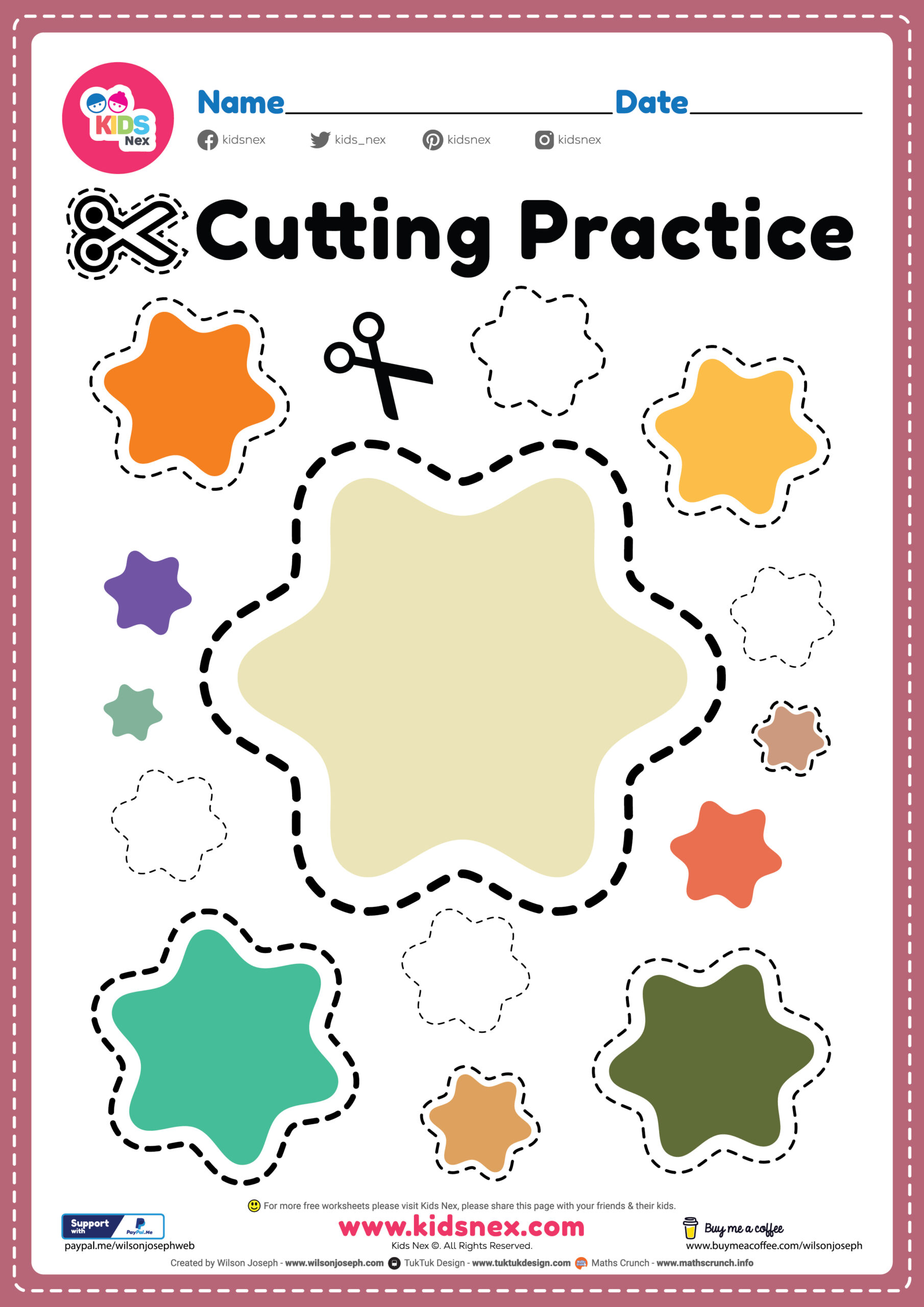
Improve Your Child's Fine Motor Skills with Scissor Skills Free
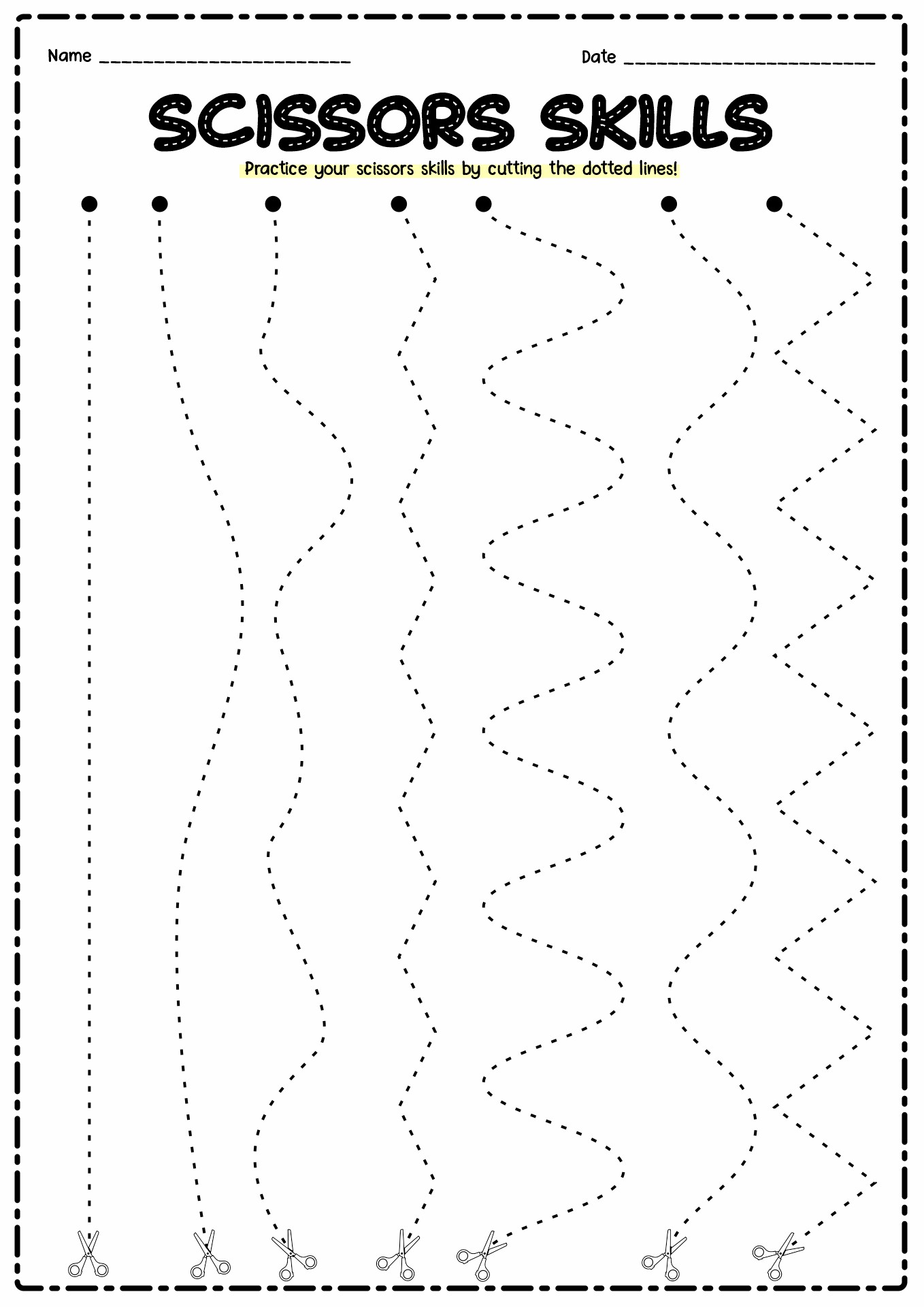
Scissor Skills Printables

Cutting Practice Free Printable Plus, How To Improve Scissor Skills

Cutting Practice Free Printable Plus, How To Improve Scissor Skills
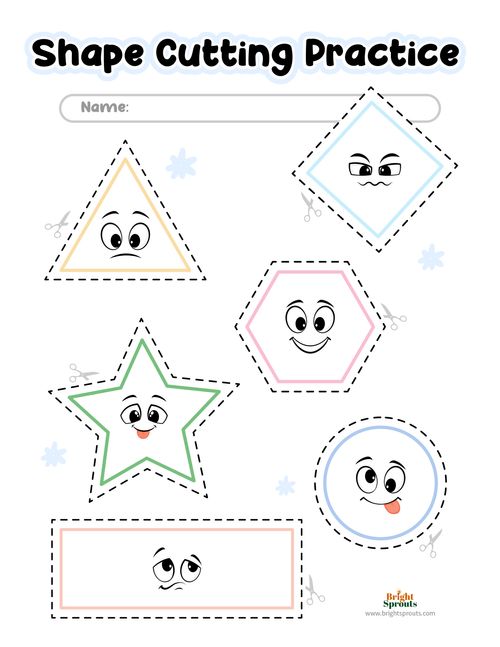
Fun Cutting Practice Worksheets to Build Scissor Skills Worksheets
One Reason Some People Cut Themselves Is That They Associate Cutting With Relief From Emotional.
Most Of Us Know About Cutting — Using A Sharp Object Like A Razorblade, Knife, Or Scissors To Make Marks, Cuts, Or Scratches On One's Own Body.
Related Post: